
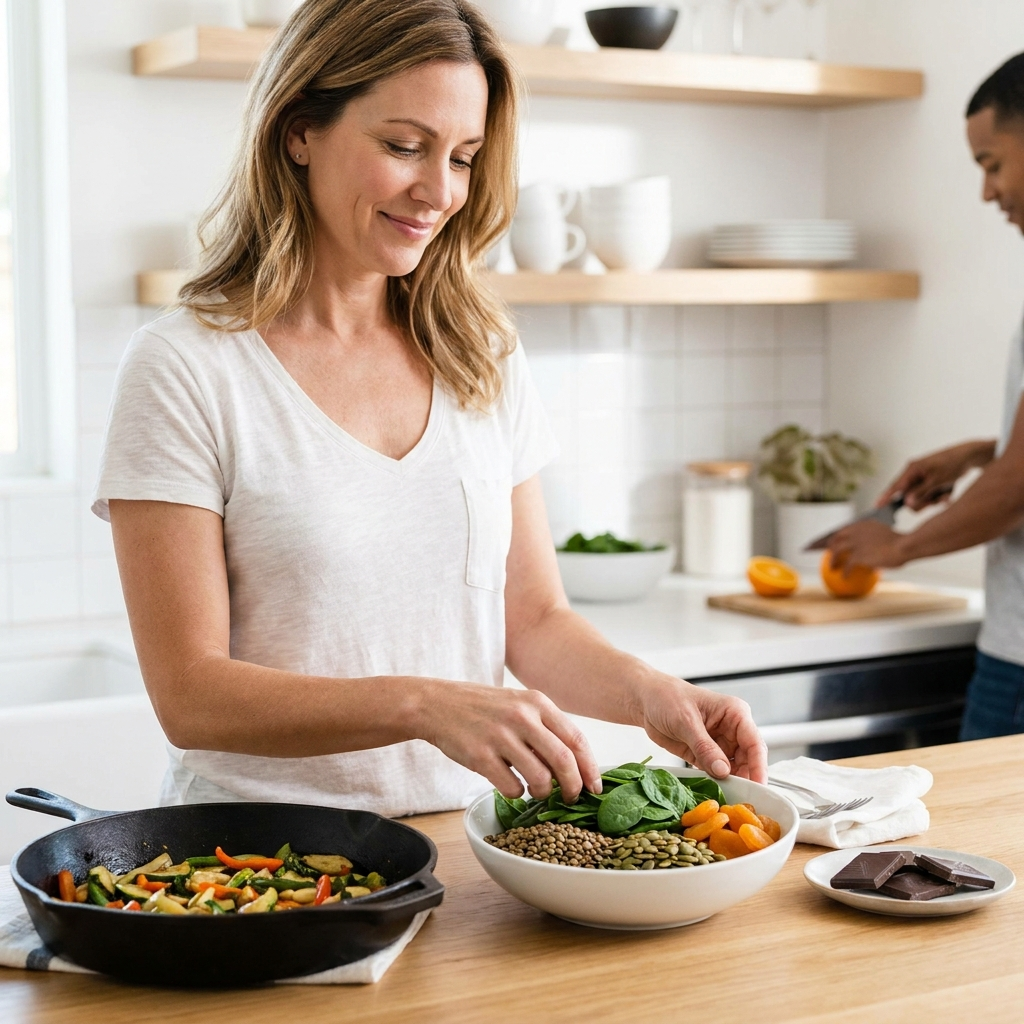
Do you often feel tired and exhausted even though you’re getting enough sleep? Are you struggling with difficulty concentrating or brittle nails? These symptoms may indicate an iron deficiency. Ferritin is the storage protein for iron in your body, and when reserves are depleted, you’ll notice it quickly. The good news: with the right natural iron sources, you can replenish your iron stores and improve your well-being. In this article, you’ll learn everything about iron-rich foods and how to optimally incorporate them into your daily life.
What is ferritin and why is it so important?
Ferritin is a protein complex that stores iron in your body and releases it when needed. It functions like an iron depot that your organism can draw on when it requires this trace element for vital processes. Iron is essential for the formation of hemoglobin, the red blood pigment that transports oxygen throughout your body. Without sufficient iron stores, your body cannot produce enough red blood cells, which can lead to iron deficiency anemia.
A low ferritin level indicates that your iron stores are depleted – often before a manifest anemia develops. This is why the ferritin level is an important early indicator of iron deficiency. Normal ferritin levels range from 15 to 150 µg/l in women and 30 to 400 µg/l in men. Values above 30 µg/l are considered optimal for well-being; in cases of significant symptoms, treatment may be advisable even at slightly higher values.
Causes of iron deficiency
Before adjusting your diet, it’s helpful to understand why iron deficiency can occur in the first place. The most common causes are:
In women of childbearing age, monthly menstruation is the most common cause of iron loss. Particularly with heavy periods, significant amounts of iron can be lost. Pregnancy and breastfeeding also considerably increase iron requirements, as the baby must be supplied as well.
An iron-poor diet, especially with a vegetarian or vegan lifestyle without careful planning, can lead to insufficient iron intake. What matters is not only the amount of iron consumed, but also its bioavailability. Chronic gastrointestinal conditions such as celiac disease, Crohn’s disease, or gastritis can significantly impair iron absorption. Regular competitive sports also leads to an increased need for iron.
The two faces of iron: heme and non-heme
Not all iron is the same. There are two different forms of dietary iron that your body can utilize to varying degrees:
Heme iron from animal sources
Heme iron is found exclusively in animal foods and is bound to hemoglobin or myoglobin. The major advantage: your body can absorb heme iron considerably more efficiently than plant-based iron, with an absorption rate of approximately 15 to 35 percent. This form of iron is less inhibited by other food components during absorption and is therefore particularly valuable in cases of iron deficiency.
Non-heme iron from plant sources
Non-heme iron is found in plant-based foods and also in a small proportion of animal products. The absorption rate here is only around 2 to 20 percent and depends heavily on various factors. This form of iron is more susceptible to inhibitors in food, but its absorption can be significantly improved through clever combinations with vitamin C and other factors.
The best animal-based iron sources
If you don’t follow a vegetarian or vegan diet, animal foods offer effective iron sources for you:
Organ meats – the most iron-rich foods
Liver is one of the richest iron sources. Pork liver provides approximately 18 mg of iron per 100 g, beef liver about 7 mg, and veal liver around 8 mg. Even a small portion can cover a large part of your daily requirement. However, you should not consume liver daily due to its high vitamin A content. Once or twice a week in moderate amounts is a good guideline. During pregnancy, you should avoid liver, as too much vitamin A can harm the unborn child.
Red meat
Beef contains approximately 2 to 3 mg of iron per 100 g, with darker cuts tending to be higher in iron. Game such as venison or roe deer are also good iron sources with 3 to 4 mg per 100 g. The iron from red meat is particularly well absorbed due to its heme form.
Poultry and fish
Chicken and turkey contain less iron (approximately 1 to 2 mg per 100 g), but are still valuable sources. Among fish, tuna and sardines stand out in particular. Oysters provide an impressive 5 to 8 mg of iron per 100 g, and mussels are also rich in iron at around 5 mg.
Eggs
A chicken egg contains approximately 1 to 1.2 mg of iron, primarily in the egg yolk. Eggs are a convenient iron source for snacking and can be prepared in many different ways.
Plant-based iron sources for vegetarians and vegans
If you follow a vegetarian or vegan diet, it requires a little more attention to meet your iron needs. However, with the right selection and combinations, it is possible:
Legumes – the plant-based powerhouses
Lentils are excellent iron sources among legumes, with approximately 7 to 8 mg per 100 g of dried product. Chickpeas (6 mg), white beans (7 mg), and soybeans (8 to 9 mg) are also good sources. Make sure to soak legumes before cooking to reduce phytic acid, which inhibits iron absorption.
Whole grains and pseudocereals
Oats provide approximately 4 to 5 mg of iron per 100 g and are ideal for breakfast. Quinoa contains around 4 to 5 mg, and amaranth approximately 8 to 9 mg of iron per 100 g. Millet is also a good iron source at 6 to 7 mg. Whole grain bread is considerably higher in iron than white bread – another good reason to switch to the whole grain variety.
Seeds and nuts
Pumpkin seeds are very high in iron at approximately 12 mg per 100 g. Sesame seeds (around 10 mg), flaxseeds (8 mg), and pine nuts (9 mg) also contain plenty of iron. A handful of pumpkin seeds as a snack or in muesli can support your iron levels. Among nuts, pistachios, almonds, and cashews offer good amounts at approximately 3 to 4 mg per 100 g each.
Green leafy vegetables
Spinach contains approximately 3 to 4 mg of iron per 100 g, but also oxalic acid, which inhibits absorption. Nevertheless, spinach is a valuable iron source, especially when combined with vitamin C-rich foods. Kale (approximately 1.5 mg), chard (approximately 2 to 3 mg), and lamb’s lettuce (2 mg) also contribute to iron supply.
Dried fruits
Dried apricots contain a concentrated 3 to 4 mg of iron per 100 g, dates about 2 to 3 mg, and figs around 3 mg. They make convenient on-the-go snacks and naturally sweeten your muesli or yogurt.
Optimizing iron absorption – how to get the most out of it
Simply eating iron-rich foods is not enough. How well your body actually absorbs iron depends on various factors:
Vitamin C as an absorption booster
Vitamin C is one of the most effective enhancers of iron absorption. It converts poorly absorbable ferric iron into easily absorbable ferrous iron. Combine your iron-rich meals with vitamin C sources: a glass of orange juice at breakfast, bell peppers in a lentil dish, or lemon juice over spinach can significantly increase iron absorption. Broccoli, Brussels sprouts, strawberries, and kiwis are also excellent sources of vitamin C.
Inhibitors you should be aware of
Certain substances can impair iron absorption. Coffee and black tea contain polyphenols that can bind iron. If you want to pay attention to your iron intake, it’s best to drink these beverages about an hour before or after iron-rich meals. Calcium from milk and dairy products can also inhibit iron absorption when both are consumed at the same time.
Phytic acid in whole grain products and legumes can bind iron. By soaking, sprouting, or fermenting, you can significantly reduce the phytic acid content. Sourdough bread, for example, is more digestible than yeast bread because fermentation breaks down phytic acid.
Beneficial combinations
In addition to vitamin C, other organic acids also promote iron absorption, such as those found in sauerkraut or other fermented foods. Garlic and onions contain sulfur compounds that can also support iron absorption. Meat, fish, and poultry can furthermore improve the absorption of plant-based iron.
Practical tips for an iron-rich everyday life
How can you put all this knowledge into practice? Here are concrete everyday tips for you:
Start your day with an iron-rich breakfast: oats with dried fruits, nuts, and a glass of orange juice or fresh berries are a great choice. Alternatively, whole grain bread with egg and bell pepper is an excellent option.
Regularly incorporate legumes into your meals. A lentil curry with tomatoes, chickpea salad with lemon dressing, or a bean dish are delicious options. If you eat meat, you can integrate red meat once or twice a week or occasionally include organ meats.
Use herbs and spices not just for flavor: parsley and thyme also contain iron. Sprinkle pumpkin seeds or sesame over salads, soups, or vegetable dishes. They not only add a nutty flavor but also increase the iron content.
Cook in cast iron pans – during cooking, a small amount of iron can actually transfer into the food. This effect is measurable particularly with acidic foods like tomatoes.
When is diet not enough?
In cases of severe iron deficiency or when an absorption disorder is present, diet alone may sometimes not be sufficient. If your ferritin levels are very low or you are already showing symptoms of anemia, you should speak with your doctor about supplementation. Iron supplements should only be taken on medical prescription and under regular monitoring, as an overdose can be harmful.
In certain conditions such as celiac disease or chronic inflammatory bowel diseases, treating the underlying condition is crucial so that your body can absorb iron again at all. Close collaboration with your doctor is important here.
Conclusion: More energy with natural iron sources
In many cases, iron deficiency can be positively influenced through a mindful, iron-rich diet. The combination of various iron sources – depending on your dietary preferences – forms the foundation. It is particularly important to optimize iron absorption through vitamin C and to consume inhibitors such as coffee or tea at separate times from iron-rich meals.
Whether meat and organ meats for omnivores, or lentils, pumpkin seeds, and whole grain products for vegetarians and vegans – nature offers you a wealth of options to support your iron needs. With a little mindfulness when composing your meals and the right combinations, you can make a meaningful contribution to your iron supply.
If you experience persistent symptoms or abnormal values, you should always consult a doctor. A blood test will give you clarity about your current levels and show whether a dietary change alone is sufficient or whether additional measures are required. With the right natural iron sources, however, you lay a solid foundation for your iron balance in any case.
Dieser Ratgeber dient ausschließlich zu Informationszwecken und ersetzt keine medizinische Beratung oder Diagnose. Bei anhaltenden Beschwerden konsultieren Sie bitte einen Arzt. Nahrungsergänzungsmittel und Heilpflanzen sollten nicht ohne Rücksprache mit einem Therapeuten eingenommen werden.