
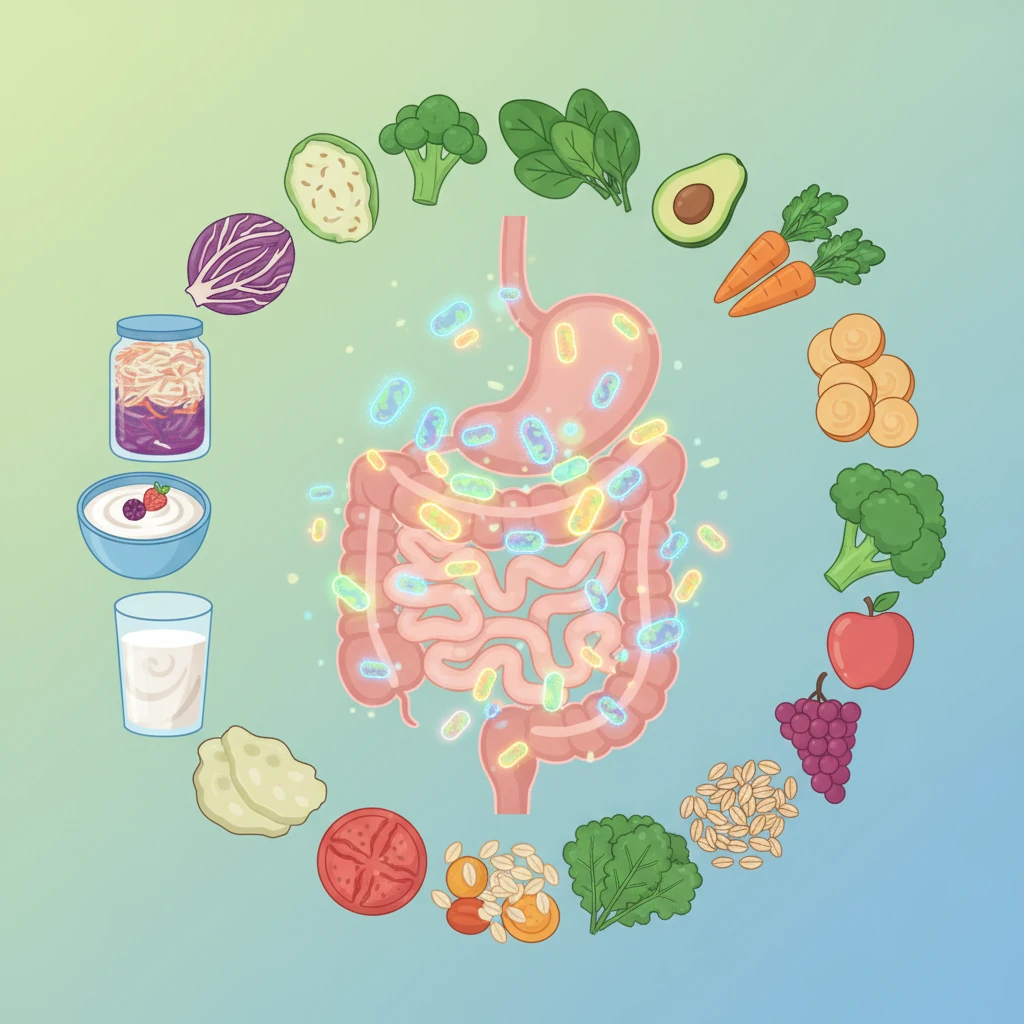
Your gut is home to trillions of microorganisms that play a crucial role in your health. A disturbed gut flora can lead to digestive problems, fatigue, skin issues, and a weakened immune system. The good news: You can positively influence your microbiome with targeted measures and lay the foundation for a healthy gut flora. In this article, you’ll learn how to naturally support your gut and sustainably improve your health.
What is the microbiome and why is it so important?
The microbiome refers to the totality of all microorganisms living in your gut. These microscopic helpers – mainly bacteria, but also fungi and viruses – weigh together about 200 grams to 2 kilograms and form a complex ecosystem. Your gut flora fulfills numerous vital functions: It supports digestion, produces important vitamins like vitamin K and some B vitamins, strengthens your immune system, and protects against pathogenic germs.
Research shows that a healthy microbiome not only affects your digestion, but also has connections to your mental health, your weight, and chronic diseases like diabetes or cardiovascular diseases. The gut-brain axis enables communication between your digestive tract and your brain, which is why a disturbed microbiome is also associated with mood swings and concentration problems.
Signs of a disturbed gut flora
Before starting a microbiome reset, you should check whether your gut flora might be out of balance. Typical signs are:
Digestive complaints such as bloating, diarrhea, constipation, or a bloated stomach are among the most common symptoms. Frequent infections can also indicate a weakened immune system, since about 70 to 80 percent of all immune cells are located in the gut. Skin problems such as acne, eczema, or neurodermatitis can also be related to a disturbed gut flora.
Other warning signs are chronic fatigue, food cravings especially for sugar, unexplained weight changes, mood swings, or concentration problems. If several of these symptoms apply to you, supporting your microbiome may be beneficial.
The 7-day plan for your microbiome reset
Day 1–2: Elimination and preparation
The first two days serve as preparation and elimination of unfavorable substances. Now reduce industrially processed foods, sugar, sweeteners, alcohol, and excessive caffeine in your diet. These substances can negatively affect your gut bacteria and promote the growth of unwanted germs.
Focus instead on natural, whole foods. Drink at least 1.5 to 2 liters of still water or unsweetened herbal teas daily. Water helps your body excrete metabolic products and supports gut function. Start now with the integration of fermented foods like sauerkraut or natural yogurt – initially in small amounts to slowly accustom your gut to them.
Day 3–4: Building with prebiotics
Prebiotics are dietary fibers that serve as food for your good gut bacteria. During these days, you should especially incorporate prebiotic-rich foods into your diet. These include chicory, Jerusalem artichoke, black salsify, artichokes, onions, garlic, leeks, asparagus, and slightly cooled potatoes or rice (resistant starch).
Oats, flaxseeds, apples, and green leafy vegetables also provide valuable prebiotic fiber. Make sure to eat these foods distributed throughout the day and drink enough water. Your gut needs time to adjust to the increased fiber intake, so slight digestive noises or bloating can be normal – they should subside after a few days.
Day 5–6: Intensify probiotics
Now your gut is ready for a more intensive supply of good bacteria. Probiotics are living microorganisms that can positively influence your gut flora. Natural probiotic sources are fermented foods such as sauerkraut (unpasteurized), kimchi, kefir, natural yogurt, kombucha, miso, and tempeh.
Try to consume at least one to two servings of fermented foods daily. If you eat sauerkraut, make sure it’s raw and unpasteurized, as pasteurization kills the valuable bacteria. For yogurt or kefir, choose natural varieties without added sugar. You can also supplement with a high-quality probiotic from the pharmacy, especially if you don’t tolerate fermented foods well.
Day 7: Consolidation and planning
On the seventh day, it’s about solidifying the newly acquired habits and developing a long-term plan. Reflect on how you feel: Some people report improvements in digestion, more energy, and a generally better sense of well-being after just one week. Consider which of the new eating habits you want to maintain permanently.
Plan your meals for the coming week so that they are rich in prebiotics and probiotics. Building a healthy microbiome is not a one-time project, but an ongoing process. The seven days are the starting signal – the long-term results depend on how consistently you maintain the gut-friendly habits.
Additional measures for a healthy microbiome
Stress management
Chronic stress can harm your gut flora. The gut-brain axis ensures that psychological stress can directly affect your digestive system. Therefore, integrate daily relaxation exercises such as meditation, breathing techniques, yoga, or walks in nature. Just 10 to 15 minutes daily can make a difference.
Sufficient sleep is also important: Your body regenerates at night, so you should aim for at least seven to eight hours of sleep. Establish a regular bedtime and create a quiet, dark sleeping environment.
Exercise
Regular physical activity can promote the diversity of your gut bacteria. Studies show that people who exercise regularly have a more diverse microbiome than sedentary people. You don’t have to become a high-performance athlete – just 30 minutes of moderate exercise such as walking, cycling, or swimming daily can be helpful.
Use antibiotics wisely
Antibiotics can be lifesaving, but unfortunately they also impair large parts of your healthy gut flora. Only take antibiotics when medically necessary, and support your microbiome during and after use with probiotics and prebiotic-rich nutrition. Consult your doctor or pharmacist about this.
Maintain the right diet long-term
After the 7-day reset, it’s important to maintain the gut-friendly diet. Focus on variety: The more varied your diet, the more diverse your microbiome can become. Different bacterial strains feed on different nutrients, which is why a colorful mix of vegetables, fruits, whole grains, legumes, and fermented foods is ideal.
Try to eat at least 30 different plant species weekly – that sounds like a lot, but it’s easier than you think when you include herbs, spices, nuts, and seeds. Each plant species brings different fibers and secondary plant compounds that nourish your gut bacteria.
Reduce heavily processed meat products and sausages, as these can have pro-inflammatory effects. Instead, focus on plant-based fats from nuts, seeds, avocados, and high-quality olive oil. Fatty fish like salmon, mackerel, or herring also provides anti-inflammatory omega-3 fatty acids that can support your microbiome.
Avoid common mistakes when building your microbiome
A common mistake is eating too much fiber too quickly. If your gut isn’t used to it, severe bloating and discomfort can result. Increase your fiber intake slowly and drink enough water with it. Another mistake is assuming that probiotic supplements alone are sufficient. They can be helpful, but they don’t replace a balanced diet.
Many people also underestimate the importance of prebiotics. Probiotic bacteria need the right food to survive and multiply. A probiotic-rich diet without sufficient fiber won’t bring the desired success. Pay attention to the right balance between both.
Also avoid unnecessary antibiotics and excessive hygiene in everyday life. Your immune system and your microbiome benefit from a certain exposure to germs – excessive sterility can be counterproductive.
When should you see a doctor?
Although dietary changes can lead to improvements in many people, there are situations where you need professional medical help. If your digestive complaints are very severe, blood appears in your stool, there is unexplained weight loss, or symptoms don’t improve despite dietary changes, you should consult a doctor.
Medical supervision is also important for chronic conditions such as irritable bowel syndrome, chronic inflammatory bowel diseases, or proven food intolerances. In some cases, a stool analysis can be useful to determine the exact composition of your microbiome and derive targeted measures.
Conclusion: Your path to a healthy microbiome
A microbiome reset in seven days can be a good starting point for better gut health. During this time, you lay the foundation for a more diverse, balanced gut flora that can positively influence your overall health. The combination of reducing unfavorable substances, targeted intake of prebiotics and probiotics, and supportive measures such as stress management and exercise often shows initial improvements after a short time.
However, it’s important to understand that building a healthy microbiome is a continuous process. The seven days are the beginning – you achieve the long-term health benefits through permanent dietary and lifestyle changes. Your gut reacts sensitively to your daily decisions, and every gut-friendly meal contributes to your well-being.
Be patient with yourself and your body. Every person is different, and gut flora is also individual. What works for others doesn’t necessarily have to have the same effect on you. Listen to your body’s signals, try different fermented foods, and find out what feels good for you. With consistency, patience, and the right strategies, you can sustainably strengthen your microbiome and thus make an important contribution to your health and quality of life.
Dieser Ratgeber dient ausschließlich zu Informationszwecken und ersetzt keine medizinische Beratung oder Diagnose. Bei anhaltenden Beschwerden konsultieren Sie bitte einen Arzt. Nahrungsergänzungsmittel und Heilpflanzen sollten nicht ohne Rücksprache mit einem Therapeuten eingenommen werden.