
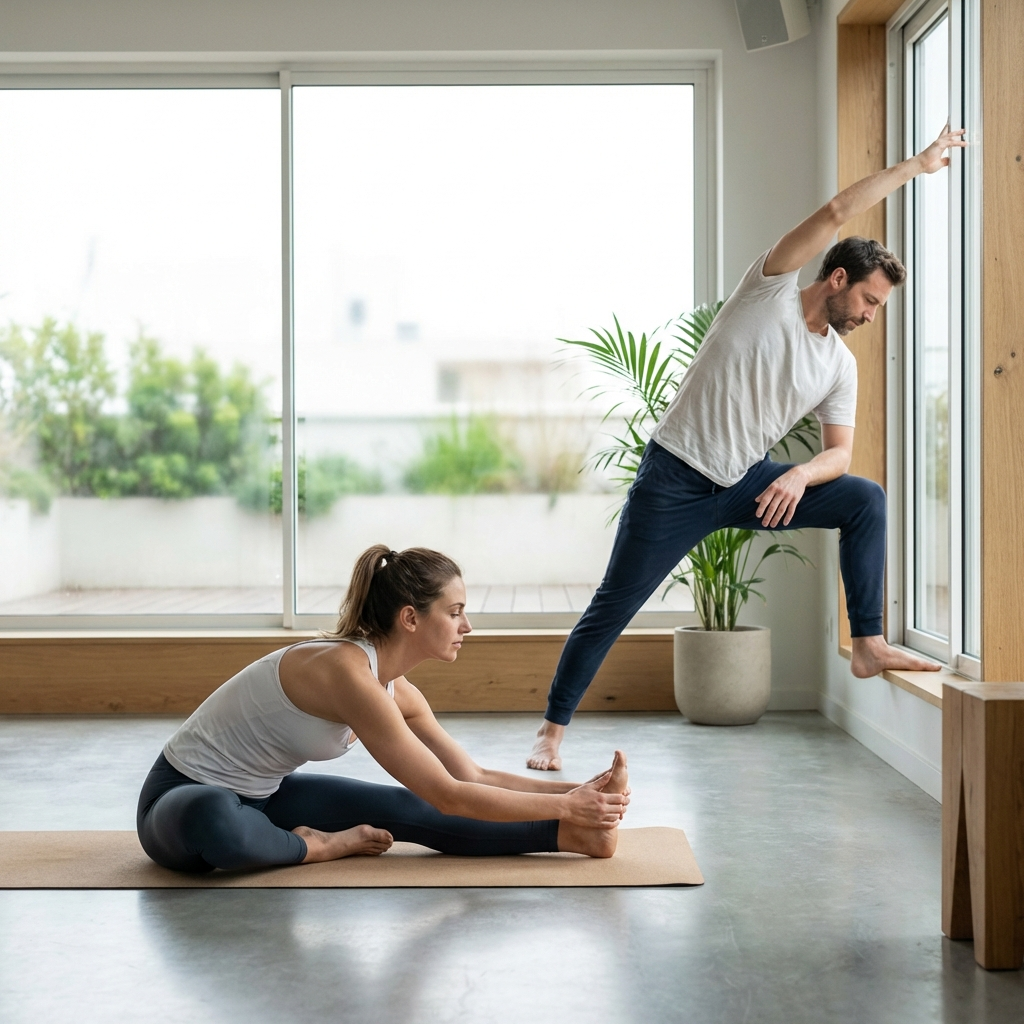
Do you feel drained, tired and exhausted? Then your first impulse is probably to lie down on the couch and rest. That’s fundamentally correct – your body is signaling its need for recovery. But paradoxically, exactly the opposite, namely gentle movement, can help you recharge your energy and overcome your exhaustion. In this article, you’ll learn how targeted, gentle activity can recharge your batteries without overtaxing your body.
Why Movement Can Help with Exhaustion
It initially sounds contradictory: When you’re exhausted, you should move? Actually, there are good scientific reasons for this. Gentle movement activates your circulation, improves oxygen supply to the brain and can promote the release of endorphins – your body’s own messenger substances that positively influence your mood and can contribute to increased well-being.
Studies show that moderate physical activity can stimulate the formation of new mitochondria in your cells. These cellular power plants are responsible for energy production in your body. At the same time, regular movement can help regulate elevated stress hormone levels like cortisol, which are often out of balance in chronic exhaustion.
The Difference Between Healthy Tiredness and Pathological Exhaustion
Before you begin an exercise program, it’s important to distinguish: Are you suffering from normal tiredness after a strenuous day or is it a deeper exhaustion? With normal tiredness, movement can often be helpful. However, if you’re suffering from persistent exhaustion, Chronic Fatigue Syndrome (CFS/ME) or other illnesses, you should definitely seek medical advice first.
Warning signs of pathological exhaustion are: persistent tiredness for more than six months that doesn’t improve with sleep, severe worsening of condition after physical or mental exertion (Post-Exertional Malaise), sleep disturbances, concentration problems, and muscle and joint pain. In such cases, careless movement can worsen the condition. With CFS/ME, special medical supervision and adapted load management (pacing) are required.
Choosing the Right Type of Movement
Not every sport is equally suitable when you’re exhausted. The key lies in the intensity: You should challenge yourself lightly, but by no means overtax yourself. Orient yourself to the so-called “feel-good zone” – a stress level at which you could still have a conversation without problems and only feel slight exertion.
Walking: The Underestimated Energy Provider
A simple walk is one of the best ways to get moving again when exhausted. You don’t need any special equipment, can start anytime and can perfectly adjust the intensity to your current condition. Start with short rounds of 10 to 15 minutes and slowly increase the duration when you feel ready.
Walking in nature can be particularly beneficial. Studies prove that spending time in green spaces has additional stress-reducing effects and can contribute to mental recovery. The Japanese term “Shinrin-Yoku” – forest bathing – describes this phenomenon and is increasingly being researched scientifically.
Yoga: Bringing Body and Mind into Harmony
Yoga combines gentle physical movement with conscious breathing and relaxation. Especially with exhaustion, which often has a mental component, this holistic approach can be particularly valuable. You don’t have to be a professional – there are special yoga styles like Yin Yoga or Restorative Yoga that are specifically aimed at people with low energy.
The combination of stretching, gentle strengthening and conscious breathing can activate your parasympathetic nervous system – the part of your nervous system responsible for rest and regeneration. Even 15 to 20 minutes of regular practice can have a positive effect.
Swimming and Water Aerobics
Movement in water is particularly easy on the joints and can be well suited for exhaustion. The buoyancy of the water supports your body weight, so you can move without stressing your joints. At the same time, the water provides gentle resistance that activates your muscles without overloading them.
Just 20 to 30 minutes of leisurely swimming or water aerobics can improve your circulation, release tension and contribute to increased well-being. Many people report that they feel refreshed and relaxed at the same time after swimming.
Tai Chi and Qigong: Energy Through Flowing Movements
These traditional Chinese movement arts are based on slow, flowing movements combined with conscious breathing. From a scientific perspective, they can improve your balance, coordination and body awareness while having a relaxing effect at the same time.
The great advantage: You can adapt Tai Chi and Qigong to your individual energy level and practice even at very low intensity. Many health insurance companies now offer courses or subsidize them as part of health promotion.
How to Build Your Movement Program
Success lies not in intensive training sessions, but in regularity and proper dosage. Here are proven strategies for developing a sustainable movement program that gives you energy instead of draining it.
Start Small and Increase Slowly
When you’re exhausted, less is often more. Start with just 5 to 10 minutes of gentle movement daily. That sounds like little, but it’s important that you set realistic goals that you can actually achieve. Every successful short session motivates you and gives you positive reinforcement.
Only increase the duration of your movement sessions when you really feel comfortable with them. A good guide: If you feel more energized after the movement, or at least not more exhausted than before, the intensity was appropriate. If, however, you feel significantly more exhausted, it was too much.
Listen to Your Body
Your body is the best advisor. On some days you’ll have more energy than on others – and that’s completely normal. Develop a fine sense for what feels good. If your body asks for rest, give it to yourself. If you feel an impulse to move, follow it.
A brief movement diary can be helpful, in which you note how you felt before and after the activity. This way you recognize patterns and can optimally adjust your program.
Develop Routines
Regularity can be the key to success. Try to schedule your movement sessions at fixed times – preferably at a time of day when you typically still have some energy. For many people, late morning or early afternoon is favorable.
Link your movement to existing routines. For example: After lunch you always take a short walk, or you do five minutes of gentle stretching every morning after getting up.
Additional Factors for More Energy
Movement is an important building block, but not the only one. For optimal energy levels you should consider other aspects.
Improve Sleep Quality
Regular gentle movement during the day can positively influence your sleep quality at night. However, make sure not to do intensive activities right before bedtime, as they can be stimulating. A relaxed evening walk about two hours before going to bed, on the other hand, can prepare your body well for night rest.
Nutrition as an Energy Source
Your diet has a direct influence on your energy level. Focus on complex carbohydrates from whole grain products, sufficient protein and healthy fats. Avoid strong blood sugar fluctuations caused by too much sugar and highly processed white flour products. Also make sure you drink enough fluids – about 1.5 to 2 liters daily, because even slight dehydration can lead to tiredness.
Stress Management
Chronic stress is one of the main reasons for exhaustion. Movement can help you reduce stress, but supplement it with other techniques like meditation, breathing exercises or progressive muscle relaxation. Social contacts and hobbies that bring you joy are also important factors for your well-being.
Avoid Common Mistakes
With all your motivation, there are some pitfalls you should know about.
Wanting Too Much Too Fast
The most common mistake is to overdo it. You may be motivated and want to see quick progress, but with exhaustion, patience is required. If you overdo it, you risk a worsening of your condition that will set you back further than you were before.
Comparing Yourself to Others
Your path is individual. What works for others doesn’t necessarily have to work for you. Don’t compare yourself to friends or social media posts from seemingly tireless athletes. Focus on your own small progress.
Ignoring Warning Signs
If your exhaustion doesn’t improve despite gentle movement and sufficient rest, or even worsens, you should seek medical advice. Behind persistent tiredness there can also be illnesses such as thyroid disorders, iron deficiency, vitamin D deficiency, vitamin B12 deficiency or other medical problems that require targeted diagnosis and treatment.
Conclusion: The Path to New Energy
Gentle movement when exhausted is not a contradiction, but can be an effective way to improve your well-being. The key lies in finding the right balance – enough activity to stimulate your circulation and achieve positive effects, but not so much that you overexert yourself.
Start small, listen to your body and be patient with yourself. Whether walking, yoga, swimming or Tai Chi – find the form of movement that brings you joy and feels good. Combine your movement routine with sufficient sleep, balanced nutrition and stress management for optimal results.
Remember: Every step counts, and even small changes can have positive effects. Over time you’ll notice how your energy level can improve and you feel more vital again. Give yourself this chance and start with a short, gentle movement session – your body will benefit from it. If symptoms persist, don’t hesitate to seek medical support.
Dieser Ratgeber dient ausschließlich zu Informationszwecken und ersetzt keine medizinische Beratung oder Diagnose. Bei anhaltenden Beschwerden konsultieren Sie bitte einen Arzt. Nahrungsergänzungsmittel und Heilpflanzen sollten nicht ohne Rücksprache mit einem Therapeuten eingenommen werden.