
Electrosmog is omnipresent in our modern daily life – from WiFi routers and smartphones to cell towers. While technology makes our lives more comfortable, some people wonder how they can reduce their exposure to electromagnetic fields. In this article, you’ll learn about practical measures available to you in everyday life and how to implement them.
What exactly is electrosmog?
Electrosmog refers to the totality of all artificially generated electromagnetic fields in our environment. These occur wherever electrical current flows or wireless communication takes place. A distinction is made between low-frequency fields, such as those emitted by power lines and household appliances, and high-frequency fields generated by WiFi, mobile communications, and Bluetooth.
The intensity of these fields is measured in various units – for electric fields in volts per meter (V/m), for magnetic fields in microtesla (µT), and for high-frequency radiation in watts per square meter (W/m²). According to current scientific knowledge, there are no proven harmful health effects below the legal limits. Nevertheless, some people want to minimize their exposure as a precautionary measure.
Materials in interior design
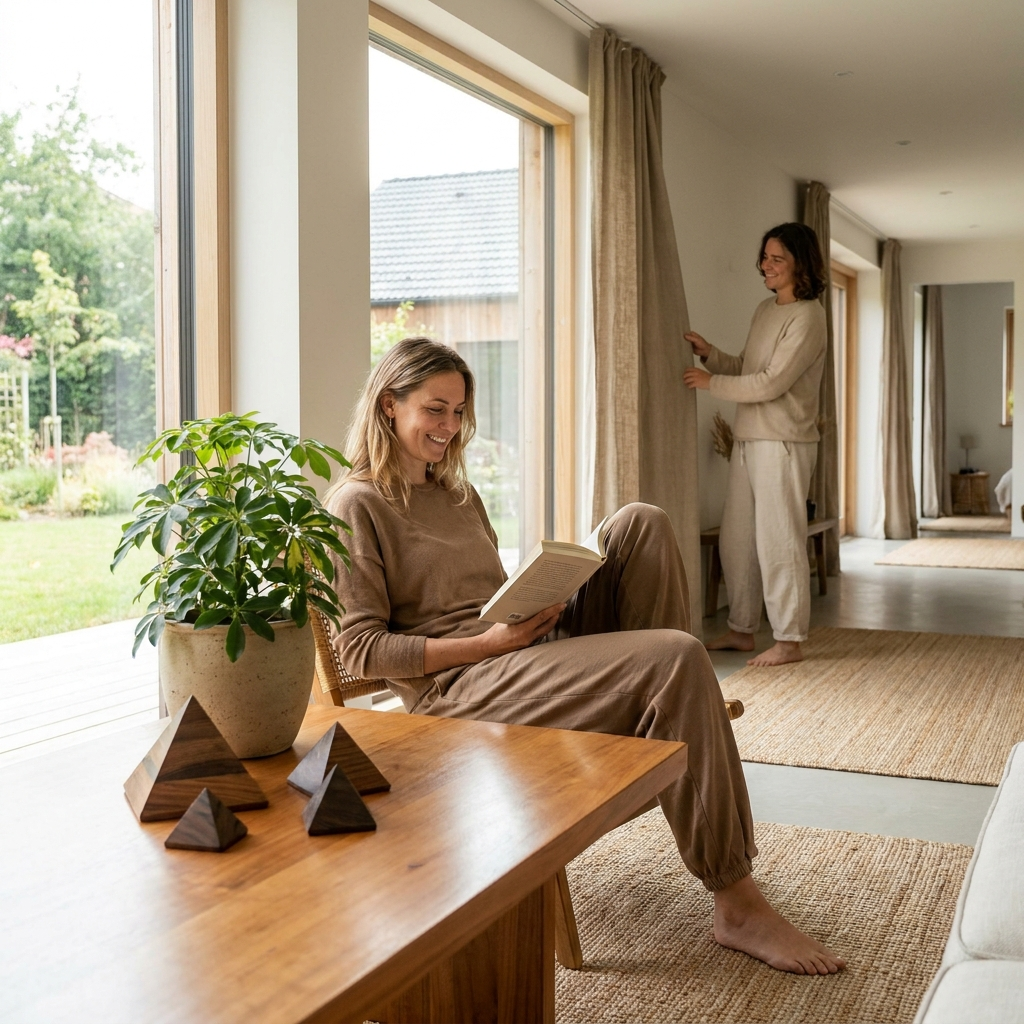
Green plants in living spaces
Plants are decorative and improve indoor climate. However, the often claimed significant shielding effect against electrosmog is not scientifically proven. Cacti are frequently recommended as protection, but a measurable effect could not be demonstrated.
Nevertheless, green plants such as rubber trees, monstera, or snake plants have many benefits: They improve air quality, regulate humidity, and create a pleasant living atmosphere. These positive effects can indirectly contribute to your well-being.
Natural materials in building and furnishing
When designing your living spaces, you can rely on natural materials. Clay plaster on walls has a certain dampening effect on electromagnetic fields due to its properties. Additionally, clay regulates humidity and creates a pleasant indoor climate.
Solid wood can also partially absorb high-frequency radiation. When furnishing or renovating your home, you can opt for solid wood furniture and floors. These not only create a warm atmosphere but can also contribute to radiation reduction.
Textiles and curtains
Heavy curtains made of wool, cotton, or linen partially dampen high-frequency radiation from outside. For people who want to further reduce their exposure, there are special shielding fabrics with woven metal threads that can be processed into canopies, curtains, or bedding.
When purchasing such products, look for certifications and test marks that confirm the shielding effect. The attenuation is specified in decibels (dB) – the higher the value, the stronger the shielding.
Practical behaviors for reducing exposure
Distance as the most effective factor
The simplest and most effective way to reduce exposure is distance. The intensity of electromagnetic fields decreases significantly with increasing distance from the source. For high-frequency radiation: If you double the distance to the radiation source, the field strength is reduced to one quarter.
Use the speakerphone function or a wired headset when making calls. Don’t carry your smartphone directly on your body, but in a bag or backpack. Don’t place your WiFi router in the bedroom or direct work area, but in a room where you spend less time. Even one meter of distance makes a noticeable difference.
Time limitation of use
In addition to distance, the duration of use also plays a role. Turn off the WiFi router at night or use a timer. Activate airplane mode on your smartphone when you don’t need it, especially at night.
Avoid older DECT cordless phones that transmit permanently, and opt for modern ECO-DECT models that reduce transmission power in standby mode. Use wired internet connections instead of WiFi when possible. These are often also faster and more stable.
Optimizing the sleep environment
Sleep is the most important regeneration phase for your body. Remove electrical devices from the bedroom or keep at least one meter distance from the bed. Avoid alarm clocks with power adapters and use battery-operated alternatives instead.
You can turn off the circuit breakers for the bedroom at night if no necessary devices need to be operated. This eliminates the low-frequency electric fields in the wiring. Alternatively, a demand switch can be installed that automatically interrupts the power supply when no consumer is connected.
Grounding and contact with nature
Walking barefoot and earth contact
The concept of “earthing” or “grounding” is based on the idea that direct contact with the earth can be health-promoting. The earth’s surface carries a negative electrical charge. Some smaller studies suggest that grounding may possibly reduce inflammation markers and improve sleep, although the evidence is still limited and further research is needed.
Regardless, regular barefoot walking in nature is a pleasant activity with many positive effects on your well-being. Spending time in nature demonstrably reduces stress and promotes relaxation.
Humidity and indoor climate
Appropriate humidity of 40-60% helps reduce static charges and creates a pleasant indoor climate. Dry air promotes the accumulation of static electricity. Use humidifiers, place water bowls on the heater, or hang up damp towels.
Regular ventilation is also important to improve air quality. A walk in the forest or by the sea is refreshing and contributes to your well-being.
Healthy lifestyle as a foundation
Balanced nutrition
A balanced, antioxidant-rich diet generally supports your body in dealing with various stresses. Choose colorful fruits and vegetables such as berries, peppers, broccoli, and spinach. These contain vitamins, minerals, and secondary plant compounds with antioxidant properties.
Vitamin C, vitamin E, selenium, and zinc are particularly important. Omega-3 fatty acids from flaxseeds, walnuts, or fatty fish also have anti-inflammatory properties. Green tea, turmeric, and ginger are other valuable foods. Make sure you drink enough fluids, about 1.5-2 liters daily.
Strengthening the nervous system
Magnesium is important for a healthy nervous system and can help cope better with stress. Good magnesium sources are whole grain products, nuts, seeds, legumes, and green leafy vegetables. The recommended daily dose is 300-400 mg for adults.
B vitamins, especially B12, B6, and folic acid, also play an important role in nerve health. They are found in animal products, whole grains, and legumes. A balanced diet forms the foundation for a healthy nervous system.
Holistic measures for greater well-being
Stress reduction and relaxation
Chronic stress impairs your health in many ways. Regularly integrate relaxation techniques into your daily routine. Meditation, yoga, breathing exercises, or progressive muscle relaxation can help calm the autonomic nervous system and increase your well-being.
Just 10-15 minutes of daily relaxation practice can make a noticeable difference. Choose a method that suits you and establish it as a fixed ritual. Adequate sleep (7-9 hours), regular exercise in nature, and social contacts also strengthen your health.
Conscious use of technology
Conscious and moderate use of technology is important for your well-being. Regularly question which devices you really need and when you can turn them off. Smartphone-free times, especially before bedtime, demonstrably improve sleep quality.
Create technology-free zones in your home where you can consciously relax. The bedroom should ideally be free of electronic devices. This digital hygiene not only reduces exposure but also promotes your mental health and quality of life.
Conclusion: Practical measures for everyday life
With conscious behaviors and practical measures, you can reduce your exposure to electromagnetic fields if you wish to do so. The most effective approach combines several strategies: distance from radiation sources, time limitation of use, thoughtful design of the living environment, and a healthy lifestyle.
This is not about giving up the conveniences of modern technology, but about conscious, balanced use. Small changes in everyday life are usually easy to implement. Start with the measures that are easiest for you to realize and gradually expand your strategy. A healthy lifestyle with balanced nutrition, adequate exercise, relaxation, and restful sleep forms the best foundation for your well-being.
Dieser Ratgeber dient ausschließlich zu Informationszwecken und ersetzt keine medizinische Beratung oder Diagnose. Bei anhaltenden Beschwerden konsultieren Sie bitte einen Arzt. Nahrungsergänzungsmittel und Heilpflanzen sollten nicht ohne Rücksprache mit einem Therapeuten eingenommen werden.