
Antioxidants are on everyone’s lips – literally. Whether in superfoods, dietary supplements, or anti-aging creams: these protective substances are touted everywhere. But what’s really behind them? In this article, you’ll learn how antioxidants protect your cells, where to find them, and how to optimally benefit from their effects.
What are antioxidants, actually?
Antioxidants are molecules that protect your body from harmful free radicals. They act like little bodyguards for your cells and neutralize aggressive compounds before they can cause damage. The term “antioxidant” is composed of “anti” (against) and “oxidation” (chemical process) – so they prevent oxidative processes in your body.
These protective substances are found in plant and animal foods and include various substance classes: vitamins such as vitamin C and E, secondary plant compounds such as flavonoids and carotenoids, minerals such as selenium and zinc, as well as enzymes that your body produces itself.
Understanding the chemistry behind it
To understand how antioxidants work, you should first know what oxidation means. During oxidation, molecules lose electrons – a completely normal process in your body that occurs, for example, during energy production in cells. It becomes problematic when this process gets out of control and too many free radicals are formed.
Antioxidants can donate electrons without becoming unstable themselves. They essentially donate an electron to the free radicals, thereby rendering them harmless. This mechanism interrupts the chain reaction of oxidation and protects your cell structures from damage.
Free radicals: The invisible challenge
Free radicals are highly reactive molecules or atoms that are missing an electron. This instability makes them aggressive: they snatch electrons from other molecules to stabilize their own structure. In doing so, they can damage important cell components such as DNA, proteins, and cell membranes.
Your body constantly produces free radicals – this is normal and part of many metabolic processes. It only becomes critical when an imbalance occurs and the number of free radicals exceeds the capacity of your body’s own defense systems.
Causes of oxidative stress
Several factors can lead to increased production of free radicals. UV radiation is one of the strongest triggers – it causes increased formation of free radicals in your skin. Air pollution, cigarette smoke, and alcohol also significantly promote oxidative stress.
Chronic stress and intense physical exertion can also boost radical formation. An unbalanced diet with many highly processed foods and low-quality fats also contributes to this. Even inflammatory processes in your body produce free radicals as a byproduct.
Oxidative stress and its consequences
When your body permanently produces more free radicals than can be neutralized, this is called oxidative stress. This condition is associated with numerous diseases and can affect the aging process of your cells.
The damage caused by oxidative stress is diverse: DNA changes can occur and may influence cancer risk. Proteins can be disrupted in their function, which impairs metabolic processes. Lipids in cell membranes become oxidized, causing the cell structure to suffer.
Long-term health risks
Oxidative stress is associated with a variety of diseases. Cardiovascular diseases are a particular focus – oxidized LDL cholesterol particles can deposit in vessel walls and promote arteriosclerosis.
Neurodegenerative diseases such as Alzheimer’s and Parkinson’s are also associated with chronic oxidative stress. The sensitive nerve cells in the brain are particularly susceptible to damage from free radicals. Diabetes, arthritis, and premature skin aging are also influenced by oxidative processes.
The most important antioxidants in detail
Not all antioxidants are the same. Different substances have different modes of action and areas of application in your body. A varied intake of different antioxidants is therefore optimal.
Vitamin C: The classic
Vitamin C is probably the best-known antioxidant. It is water-soluble and therefore primarily protects the aqueous areas of your cells. You’ll find it particularly abundantly in citrus fruits, peppers, broccoli, and berries. Your body cannot store vitamin C in large quantities, which is why you should consume it regularly through food.
In addition to its antioxidant effect, vitamin C supports your immune system and is important for collagen formation. It can also regenerate depleted vitamin E, thus strengthening antioxidant defense.
Vitamin E: Protection of cell membranes
Vitamin E is fat-soluble and particularly protects the lipid structures of your cells. It prevents the oxidation of polyunsaturated fatty acids in cell membranes. Good sources are nuts, seeds, plant oils such as wheat germ oil, and green leafy vegetables.
The vitamin E family includes several compounds, with alpha-tocopherol being the most biologically active form. Adequate intake can contribute to cell health and support skin health.
Carotenoids: Colorful cell protectors
Carotenoids are plant pigments that give fruits and vegetables their yellow, orange, and red coloration. Beta-carotene is the best-known representative and a precursor to vitamin A. Lycopene from tomatoes and lutein from green leafy vegetables also belong to this group.
These substances can protect against UV damage and support eye health. Their fat-soluble nature means you should consume them together with some fat to optimize absorption.
Flavonoids: Versatile plant compounds
Flavonoids form a large group of secondary plant compounds with antioxidant effects. Quercetin in onions and apples, anthocyanins in berries and red cabbage, or catechins in green tea – they all belong to this family.
Flavonoids have not only antioxidant but also anti-inflammatory and vascular protective properties. They can increase the bioavailability of other antioxidants and work synergistically together.
Natural sources: Where do you find the most antioxidants?
The best source of antioxidants is a diverse, plant-based diet. The more colorful your plate, the better – because different colors signal different antioxidants.
Top foods with high antioxidant content
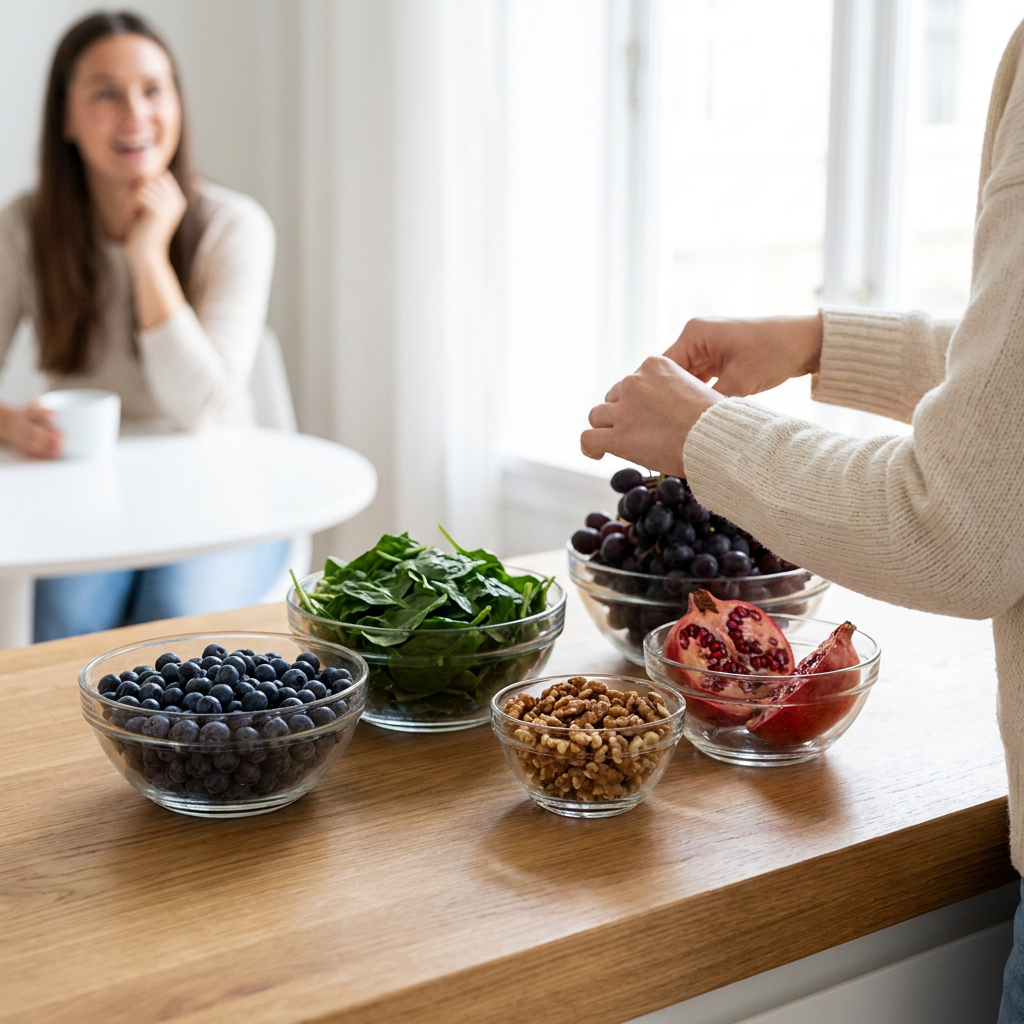
Berries lead the list: blueberries, blackberries, raspberries, and strawberries are true powerhouses. Goji berries and aronia berries also contain high amounts. You can enjoy them fresh, frozen, or dried.
Dark green leafy vegetables such as spinach, kale, and chard provide an abundance of antioxidants. Colorful vegetables such as peppers, tomatoes, carrots, and red cabbage should be regularly on your menu. Cruciferous vegetables such as broccoli and Brussels sprouts are also excellent sources.
Nuts and seeds, especially walnuts, almonds, sunflower seeds, and flaxseeds, combine healthy fats with antioxidants. Legumes such as red beans and lentils are often underestimated but contain considerable amounts.
Beverages as a source of antioxidants
Green tea is rich in catechins, a potent group of antioxidants. Coffee also contains noteworthy amounts – for many people, it’s even the main source of antioxidants in their diet. Cocoa and dark chocolate with high cocoa content (at least 70 percent) are also recommended.
Red wine is often mentioned because of its resveratrol content, but should only be consumed in moderation due to the alcohol. Red grape juice is an alcohol-free alternative.
Should you supplement antioxidants?
The question of dietary supplements is discussed controversially. Basically: a balanced diet with plenty of fruits and vegetables usually provides you with sufficient antioxidants. The complex mixture of different substances in natural foods can hardly be replaced by individual supplements.
Studies show that high-dose individual supplements can sometimes be counterproductive. Too much beta-carotene can increase the risk of lung cancer in smokers. High-dose vitamin E has been associated with increased mortality in some studies. Research shows that isolated, high-dose antioxidants don’t offer the same benefits as an antioxidant-rich diet.
When supplements can be useful
In certain situations, supplementation after medical consultation can certainly be appropriate. In cases of proven deficiency, during pregnancy, with certain dietary patterns, or in older age, targeted supplementation can be sensible. Even with chronic diseases or high physical stress, the requirement can be increased.
However, it’s important to discuss this with a doctor or nutritionist and adjust the dosage individually. Quality of supplements and bioavailability also play an important role.
Practical tips for maximum cell protection
To benefit optimally from antioxidants, it’s not just about what you eat, but also how you prepare it and what other foods you combine it with.
Gentle preparation
Many antioxidants are heat-sensitive. Vitamin C, for example, is partially degraded during cooking. You should therefore cook vegetables as gently as possible – steaming is better than long boiling. Some antioxidants such as lycopene in tomatoes even become more available through heating.
Fresh, seasonal fruits and vegetables usually contain more antioxidants than those stored for long periods. Frozen produce is often a good alternative to fresh vegetables, as it’s flash-frozen immediately after harvest and preserves the nutrients.
Utilizing synergies
Always combine fat-soluble antioxidants with a fat source. A teaspoon of olive oil on your carrot salad significantly increases the absorption of beta-carotene. Vitamin C also improves the absorption of other antioxidants – so a squeeze of lemon makes double sense.
The combination of different antioxidant foods mutually enhances their effects. A colorful salad with many different vegetables is therefore better than eating the same thing every day.
Consider lifestyle factors
Even the best antioxidant intake helps little if you simultaneously intensify factors that produce free radicals. Avoid smoking, reduce alcohol, and protect your skin from excessive UV radiation. Stress management through relaxation techniques, adequate sleep, and regular moderate exercise additionally support your antioxidant defense.
Conclusion: Natural cell protection through smart nutrition
Antioxidants are not miracle cures, but important allies for your health. They protect your cells from oxidative stress and can contribute to maintaining health in the long term. The good news: you don’t need expensive superfoods or dietary supplements to be well supplied.
A colorful, plant-based diet with plenty of fresh fruits and vegetables, nuts, whole grains, and high-quality oils provides you with a broad spectrum of different antioxidants. These work together in your body and complement each other – an effect that isolated individual substances cannot offer.
Combine this smart nutrition with a healthy lifestyle that minimizes oxidative stress, and you create good conditions for long-term cellular health. Your body has amazing self-healing and protective mechanisms – with the right support through antioxidants from food, you can let these systems work optimally.
Dieser Ratgeber dient ausschließlich zu Informationszwecken und ersetzt keine medizinische Beratung oder Diagnose. Bei anhaltenden Beschwerden konsultieren Sie bitte einen Arzt. Nahrungsergänzungsmittel und Heilpflanzen sollten nicht ohne Rücksprache mit einem Therapeuten eingenommen werden.