
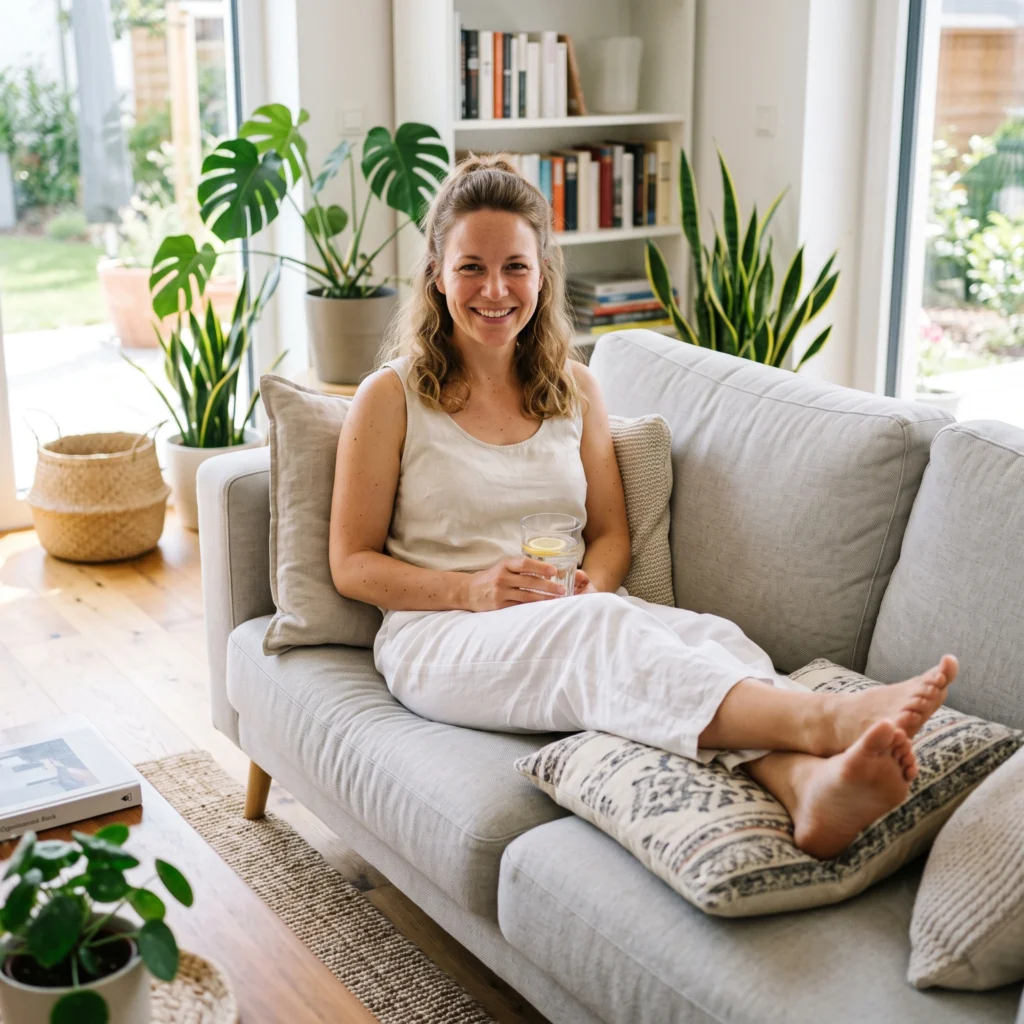
Do you sometimes feel bloated, tired, or heavy? Perhaps swollen legs or a general feeling of sluggishness are your constant companions? Then your lymphatic system might need support. As an important part of your immune system, the lymphatic system is responsible for removing metabolic waste, toxins, and excess fluid from the tissue. When it doesn’t function optimally, these substances can accumulate in the body and lead to various complaints. In this article, you’ll learn how to activate your lymphatic system, perform decongesting measures, and support your body in natural detoxification.
What is the lymphatic system and why is it so important?
The lymphatic system is a complex network of lymph vessels, lymph nodes, and lymphatic organs such as the spleen, thymus, and tonsils that runs parallel to the bloodstream throughout your entire body. Unlike the circulatory system, which is driven by the heart, the lymphatic system has no pump of its own. It relies on muscle movements, breathing movements, and external stimulation to transport the lymphatic fluid.
The main functions of the lymphatic system include removing waste products from the tissue, transporting fats and fat-soluble vitamins from the intestine, transporting immune cells, regulating fluid balance in the tissue, and immune defense through filtering pathogens in the lymph nodes. When your lymphatic system becomes sluggish, this can lead to water retention, a weakened immune system, chronic fatigue, and feelings of heaviness.
Signs of a sluggish lymphatic system
Before you take action, it’s helpful to recognize whether your lymphatic system actually needs support. Typical signs of impaired lymph flow are swollen fingers, hands, feet, or ankles, especially in the evening. A bloated stomach can also be an indication.
Other symptoms include chronic fatigue and exhaustion, frequent colds and infections, stiff joints especially in the morning, headaches and difficulty concentrating, as well as possibly increased cellulite. If you notice several of these signs in yourself, it may make sense to specifically activate your lymphatic system.
Exercise as a natural lymph pump
Since the lymphatic system has no pump of its own, exercise is the most important factor for healthy lymph flow. Even moderate physical activity can make a significant difference.
Trampoline jumping for lymph flow
One of the most effective methods for lymphatic activation is trampoline jumping, also called rebounding. The up and down movements activate the lymph valves through alternating gravity and promote the flow of lymph. Just 10 to 15 minutes of daily gentle bouncing on a mini-trampoline can have a noticeable effect. You don’t have to jump high – gentle bouncing is completely sufficient.
Walks and hiking
Regular walks are a simple and accessible method to get your lymphatic system moving. The muscle contractions in the legs while walking compress the lymph vessels and thus drive the lymph forward. Ideally, walk briskly for at least 30 minutes daily. Walking in nature is especially beneficial, which additionally reduces stress.
Yoga and gentle stretching exercises
Yoga exercises, especially inversions like downward-facing dog, shoulder stand, or the legs-up-the-wall position, can support the return flow of lymph to the heart. These positions use gravity to promote drainage. Gentle twists and stretches can also stimulate the movement of lymphatic fluid.
Dry brushing for radiant skin and active lymph
Dry brushing is a traditional technique that both cares for the skin and can activate the lymphatic system. With this method, you brush your dry skin before showering with a natural bristle brush in specific directions.
Always start at the feet and work your way toward the heart with long, even strokes. Brush the legs from bottom to top, the arms from hands to shoulders, the abdomen in a clockwise direction, and the back from bottom to top. Use gentle to medium pressure – the skin should be slightly reddened but not irritated.
This routine only takes about five minutes and can ideally be performed daily or at least three times a week. In addition to potential lymphatic activation, dry brushing removes dead skin cells and promotes skin circulation.
Manual lymphatic drainage and self-massage
Manual lymphatic drainage is a special massage technique performed by trained therapists. Through gentle, rhythmic movements, lymph is directed toward the lymph nodes and the removal of fluid from the tissue is promoted.
Professional lymphatic drainage
If you suffer from pronounced lymphatic congestion, lipedema, or after certain operations, professional lymphatic drainage can be very helpful. This treatment should be performed by specially trained physiotherapists or medical masseurs and can be prescribed by a doctor with appropriate medical indication.
Simple self-massage techniques
You can also support your lymphatic system yourself at home. Gently massage the areas behind the ears, on the neck, and under the collarbones, where important lymph nodes are located. Use very light pressure and gentle, circular movements. The armpits, groin, and backs of the knees are also important lymph node areas that you can gently massage. It’s important that you always work toward the heart and use only very gentle pressure.
Nutrition for a healthy lymphatic system
Your diet plays an important role in the health of your lymphatic system. Certain foods can promote lymph flow, while others can hinder it.
Drink enough water
Lymphatic fluid consists largely of water. When you’re dehydrated, lymph becomes thicker and flows less easily. Drink at least 1.5 to 2 liters of water daily, correspondingly more during physical activity or heat. Herbal teas like nettle or green tea can be a pleasant variation.
Anti-inflammatory foods
Chronic inflammation can impair lymph flow. Therefore, integrate plenty of anti-inflammatory foods into your diet: green leafy vegetables like spinach, kale, and chard, berries, especially blueberries and raspberries, fatty fish like salmon, mackerel, and sardines, turmeric with black pepper for better bioavailability of curcumin, ginger fresh or as tea, as well as walnuts and flaxseeds as plant-based omega-3 sources.
Foods to reduce
Certain foods can burden your lymphatic system. It can be helpful to reduce consumption of: highly processed foods with many additives, excessive salt, which can promote water retention, refined sugar and white flour products, trans fats from industrially processed products, as well as excessive alcohol.
Contrast showers and sauna sessions
Thermal stimuli are proven methods to activate your lymphatic system and promote circulation.
Performing contrast showers correctly
Start your shower with warm water and then switch to cold water for 30 to 60 seconds. Repeat this process three to five times and always end with cold water. Start with the feet and work your way up. This method not only trains your vessels but also stimulates lymph flow. If you have health restrictions, especially cardiovascular diseases, speak with your doctor first.
Sauna and steam bath
Regular sauna sessions promote circulation and support excretion through the skin. The combination of heat and subsequent cooling has a similar effect to contrast showers. One to two sauna sessions per week can support your lymphatic system, provided there are no medical contraindications.
Breathing and stress reduction
Your breathing has a direct influence on lymph flow. The breathing movements of the diaphragm create pressure changes in the abdominal and chest cavity that act like a pump on the lymph vessels.
Deep abdominal breathing
Practice conscious abdominal breathing several times a day: Place one hand on your abdomen and breathe deeply through your nose so that your abdomen rises. Breathe out slowly through your mouth and feel your abdomen lower. Repeat this for 5 to 10 minutes. This simple exercise can significantly improve lymph flow.
Reduce stress
Chronic stress leads to tension, shallow breathing, and hormonal changes, all of which can negatively affect lymph flow. Integrate relaxation techniques like meditation, yoga, or progressive muscle relaxation into your daily life. Adequate sleep is also crucial, as important regeneration processes take place at night.
Compression therapy and elevation
With pronounced lymphatic congestion, especially in the legs, additional measures can be useful.
Compression stockings
Medical compression stockings exert targeted pressure on the tissue and thus support the return flow of lymph and venous blood. They are especially helpful when you have to stand or sit for long periods. Get advice from a specialist at a medical supply store to find the right compression strength and fit. With medical indication, they can be prescribed by a doctor.
Elevate legs
A simple but effective measure is regularly elevating the legs. Place your legs higher than your heart for 15 to 20 minutes, ideally leaning against a wall. This uses gravity to facilitate the return flow of lymph and venous blood.
Supporting detoxification: Additional tips
Beyond lymphatic activation, you can support your body in its natural detoxification processes through additional measures.
Promote liver health
The liver is your body’s central detoxification organ. Support it through bitter foods like artichokes, radicchio, or arugula, as well as through a generally liver-friendly diet with lots of vegetables and little alcohol. If interested in herbal supplements like milk thistle, speak with your doctor or pharmacist.
Care for gut health
A healthy gut is crucial for the excretion of metabolic end products. Ensure a fiber-rich diet with lots of vegetables, fruit, whole grain products, and legumes. Fermented foods like sauerkraut, kimchi, or natural yogurt can support a healthy gut flora.
Reduce toxin exposure
Minimize the intake of pollutants by using natural body care and cleaning products where possible, preferring consumption of organically grown foods, avoiding plastic packaging especially with hot foods and drinks, as well as drinking clean, quality water.
When should you see a doctor?
While most people can support their lymphatic system themselves with the mentioned methods, there are situations where medical advice is important. Consult a doctor if you notice suddenly occurring, severe swelling, have unilateral swelling without an apparent cause, the swelling is accompanied by pain, redness, or warmth, you simultaneously develop fever or other systemic symptoms, or the complaints persist for several weeks despite self-measures.
For certain conditions such as lymphedema, after cancer operations with lymph node removal, with chronic venous insufficiency, or other underlying diseases, professional medical care is essential.
Conclusion: An activated lymphatic system for more well-being
Your lymphatic system is an important but often underestimated part of your health. While it works in the background, it has significant influence on your immune system, your energy level, and your general well-being. The good news is that you can do a lot for healthy lymph flow with simple, natural methods.
The combination of regular exercise, conscious breathing, a balanced, anti-inflammatory diet, and targeted techniques like dry brushing or contrast showers can bring noticeable improvements after just a few weeks. Many people report more energy, less swelling, improved skin quality, and enhanced well-being.
It’s important that you integrate these measures as long-term habits into your daily life. Your lymphatic system needs continuous support, not short-term intensive cures. Start with one or two methods that are easiest for you and gradually expand your repertoire.
Always listen to your body. What works for one person doesn’t necessarily have to be ideal for you. Experiment, observe your body’s reactions, and adjust your routine accordingly. With patience and consistency, you can feel the positive effects of an activated lymphatic system and feel more vital and healthier.
Dieser Ratgeber dient ausschließlich zu Informationszwecken und ersetzt keine medizinische Beratung oder Diagnose. Bei anhaltenden Beschwerden konsultieren Sie bitte einen Arzt. Nahrungsergänzungsmittel und Heilpflanzen sollten nicht ohne Rücksprache mit einem Therapeuten eingenommen werden.