
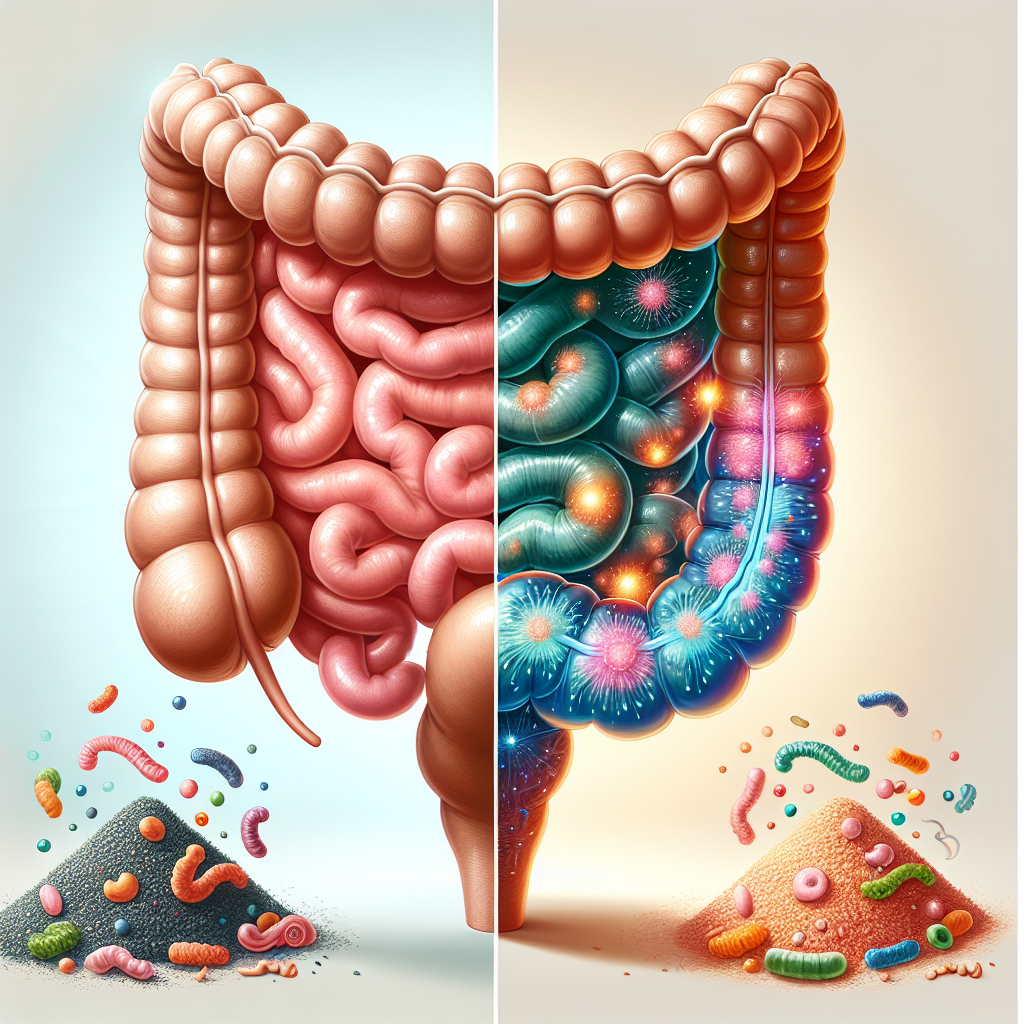
Many people suffer from chronic digestive complaints such as bloating, abdominal pain, and irregular bowel movements. Often, the diagnosis is irritable bowel syndrome – but in many cases, there’s another, frequently overlooked cause: SIBO, bacterial overgrowth in the small intestine. This condition affects millions of people worldwide but often remains undetected. Yet the right diagnosis and treatment can lead to a significant improvement in quality of life.
What is SIBO?
SIBO stands for Small Intestinal Bacterial Overgrowth. Normally, most gut bacteria are located in the large intestine, while the small intestine is relatively low in bacteria. In SIBO, there is an excessive proliferation of bacteria in the small intestine – often bacteria that actually belong in the large intestine.
This bacterial overgrowth leads to a series of problems. The bacteria ferment food components already in the small intestine, leading to excessive gas production. They can also impair nutrient absorption and damage the intestinal lining. The result is the typical symptoms that are often mistakenly diagnosed as irritable bowel syndrome.
The Different SIBO Types
There are mainly three types of SIBO, depending on which gases the bacteria produce. In hydrogen SIBO (H2-SIBO), the bacteria mainly produce hydrogen gas. This is the most common form and typically leads to diarrhea. In methane SIBO, also called IMO (Intestinal Methanogen Overgrowth), methanogens – actually archaea, not bacteria – are excessively multiplied. This form is often associated with constipation. Hydrogen sulfide SIBO (H2S-SIBO) is the least researched form and can cause particularly unpleasant symptoms such as foul-smelling flatulence.
Symptoms: More Than Just Bloating
The symptoms of SIBO are diverse and can vary from person to person. The main symptom is a bloated abdomen that occurs especially after eating. Many sufferers report that their stomach is still flat in the morning but becomes increasingly bloated throughout the day – sometimes so severely that clothing no longer fits.
Other common symptoms include abdominal pain and cramps that often occur in waves. Diarrhea and constipation can alternate or occur individually, depending on the SIBO type. Many patients suffer from excessive flatulence with strong gas passage. The gases can smell particularly unpleasant, which can be very distressing for those affected.
Systemic Complaints
SIBO is not limited to the digestive tract. The disrupted nutrient absorption can lead to deficiencies. Particularly common are vitamin B12 deficiency, iron deficiency, and a deficiency in fat-soluble vitamins such as vitamin D. This can lead to fatigue, concentration difficulties, and a weakened immune system.
Many SIBO patients also report skin problems such as acne or rosacea, joint pain, and neurological symptoms such as brain fog – a feeling of mental cloudiness. Food intolerances that did not previously exist can also develop or intensify.
Causes: How Does SIBO Develop?
SIBO doesn’t develop overnight but usually develops over a longer period. The body normally has several protective mechanisms that prevent bacterial overgrowth in the small intestine. These include stomach acid, which kills many bacteria, intestinal motility, which transports bacteria toward the large intestine, and the immune system of the intestinal lining.
Impaired Intestinal Motility
One of the most common causes of SIBO is impaired intestinal movement. The so-called Migrating Motor Complex (MMC) is a wave-like movement that cleanses the small intestine between meals and transports bacteria to the large intestine. If this mechanism is disrupted – for example, by certain medications, diabetes, thyroid diseases, or neurological conditions – bacteria can settle in the small intestine.
Structural Problems
Anatomical changes can also lead to SIBO. These include narrowings or adhesions in the intestine after surgery, diverticula in the small intestine, or a dysfunctional ileocecal valve – the valve between the small and large intestine. Low stomach acid levels, for example from long-term use of proton pump inhibitors (acid blockers), also significantly increase SIBO risk.
Other Risk Factors
Certain underlying conditions increase the risk of SIBO. These include inflammatory bowel diseases such as Crohn’s disease, celiac disease, diabetes mellitus, and autoimmune diseases. Food poisoning can also be a trigger – the so-called post-infectious irritable bowel syndrome not infrequently develops into SIBO. Stress, an unbalanced diet, and frequent antibiotic use can also negatively affect the gut environment.
Diagnosis: The Breath Test as Gold Standard
Diagnosing SIBO is not always easy, as the symptoms resemble those of other digestive disorders. The hydrogen-methane breath test is considered the gold standard for diagnosis. The patient drinks a sugar solution (usually glucose or lactulose) on an empty stomach. Then, breath samples are analyzed at regular intervals over several hours for hydrogen and methane.
When bacteria in the small intestine ferment the sugar, these gases are produced, which enter the bloodstream, reach the lungs, and are exhaled. An increase in gas values within the first 90 to 120 minutes indicates SIBO. The test can be conveniently performed at home, and the samples are then sent to a laboratory.
Additional Diagnostic Options
In addition to the breath test, blood tests can provide clues to SIBO, especially when nutrient deficiencies are detected. A stool examination can analyze the microbiome in the large intestine and rule out other causes of the complaints. In rare cases, a small intestinal biopsy is performed, in which tissue samples are taken during an endoscopy.
Treatment: A Multi-Step Approach
Treating SIBO usually requires a holistic approach that includes several components. The goal is to reduce excess bacteria, restore gut health, and prevent relapses.
Antibiotic Therapy
The classic treatment is with antibiotics. Rifaximin is the most commonly used antibiotic for SIBO, as it is barely absorbed into the bloodstream and acts mainly in the intestine. For methane SIBO, it is often combined with neomycin. Treatment typically lasts 10 to 14 days. However, many patients experience a relapse after some time, which is why treating the underlying cause is crucial.
Herbal Alternatives
Herbal antimicrobials represent an alternative or supplement to antibiotic therapy. Studies have shown that combinations of berberine, oregano oil, clove oil, and other herbal agents can be as effective as rifaximin. This treatment usually lasts longer, about four to six weeks, but is well tolerated by many patients.
Nutritional Therapy
Diet plays a central role in SIBO treatment. The low-FODMAP diet has proven particularly helpful. FODMAPs are fermentable carbohydrates that are metabolized by bacteria in the small intestine and lead to symptoms. By reducing these food components, symptoms can be significantly alleviated.
It’s important that the low-FODMAP diet is only followed temporarily and under professional guidance, as it is very restrictive. After the elimination phase, foods are gradually reintroduced to test individual tolerances. Other dietary approaches such as the Specific Carbohydrate Diet (SCD) or the elemental diet can also be useful in certain cases.
Prokinetics and Motility Enhancement
To prevent relapses, it’s important to improve intestinal motility. Prokinetics are medications or natural substances that stimulate intestinal movement. These include prescription medications such as prucalopride, but also natural alternatives such as ginger, 5-HTP, or special herbal mixtures. These should ideally be taken before bedtime to support the MMC overnight.
Prevention and Long-Term Management
After successful treatment, it’s important to take measures to prevent relapse. This includes treating the underlying cause – whether optimizing stomach acid production, treating hypothyroidism, or improving stress management.
Regular exercise naturally supports intestinal motility. Meal breaks of at least four to five hours between meals also give the MMC time to perform its cleansing function. Avoiding constant snacking is therefore an important factor in long-term prevention.
Stress Management
Chronic stress can negatively affect intestinal motility and weaken the immune system. Relaxation techniques such as meditation, yoga, or breathing exercises can help lower stress levels. Adequate sleep is also of great importance for gut health.
Conclusion: Recognizing and Treating SIBO
SIBO is a common but often overlooked cause of chronic digestive complaints. The symptoms overlap significantly with irritable bowel syndrome, which is why many sufferers remain without a proper diagnosis for years. Yet a simple breath test can provide clarity and pave the way for targeted treatment.
Therapy requires a holistic approach that combines antimicrobial treatment, dietary changes, and improvement of intestinal motility. It is particularly important to identify and treat the underlying cause to achieve long-term success.
If you suffer from chronic digestive complaints that don’t improve despite various treatment attempts, you should talk to your doctor about the possibility of SIBO testing. With the right diagnosis and treatment, many sufferers can achieve a significant improvement in their quality of life and finally live symptom-free again.
Dieser Ratgeber dient ausschließlich zu Informationszwecken und ersetzt keine medizinische Beratung oder Diagnose. Bei anhaltenden Beschwerden konsultieren Sie bitte einen Arzt. Nahrungsergänzungsmittel und Heilpflanzen sollten nicht ohne Rücksprache mit einem Therapeuten eingenommen werden.