
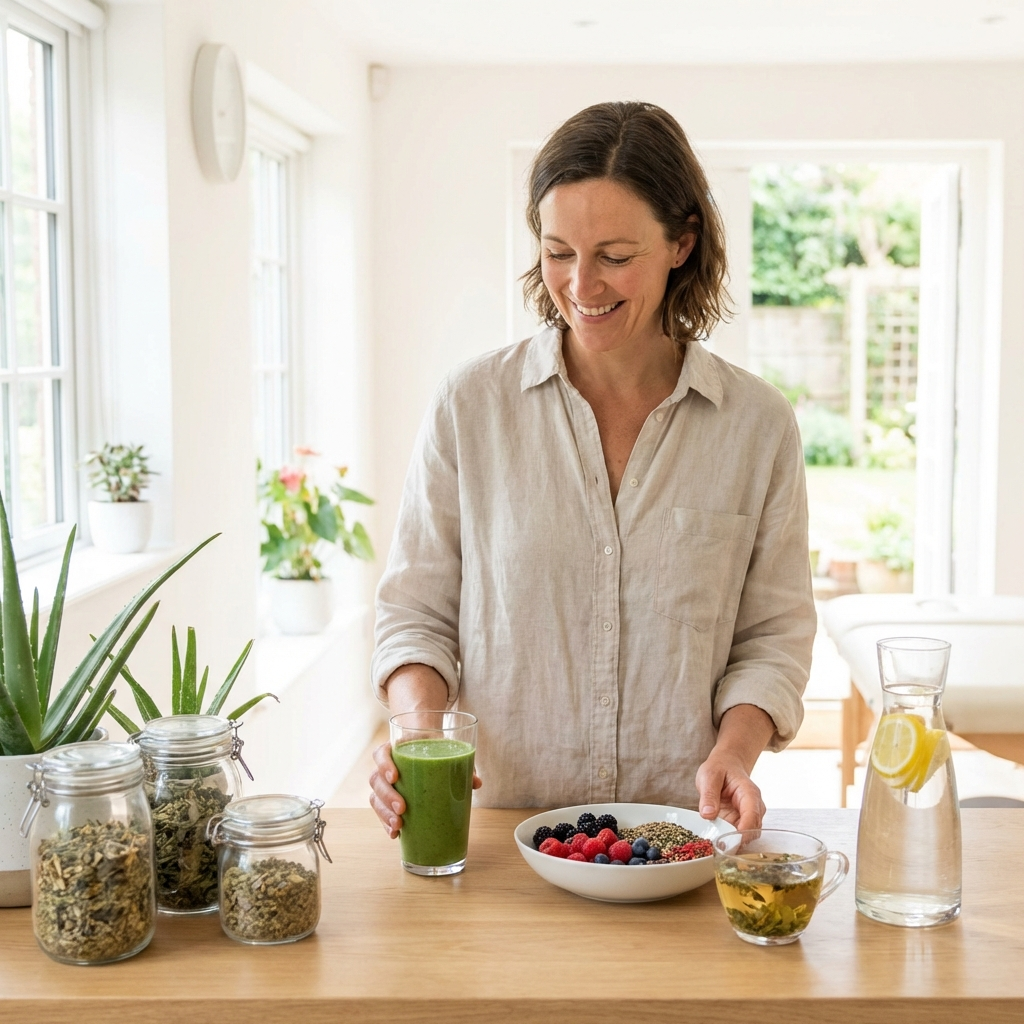
Your gut is far more than just a digestive organ – it plays a central role in your health. With a surface area of approximately 300 to 400 square meters (similar to the size of a tennis court) and trillions of bacteria, it is crucial for your immune system, your nutrient absorption, and even your mood. However, in our modern world with processed foods, stress, and environmental pollutants, your gut can become imbalanced. Natural support for gut health can help you boost your well-being. In this post, you’ll learn everything about safe and effective methods for naturally promoting your gut health.
Why is a healthy gut so important?
Your gut houses a large part of your immune system – estimates suggest about 70 percent – and is often referred to as your “second brain.” The gut-brain axis connects your digestive tract directly with your central nervous system, which is why gut problems can often be accompanied by mood swings, concentration issues, or fatigue.
A healthy gut ensures optimal digestion, the absorption of vital nutrients, and the production of important vitamins such as vitamin K and various B vitamins. However, if your gut is burdened by unhealthy diet, antibiotics, or chronic stress, this can lead to an altered gut flora – with potential consequences for your overall health.
Signs of a stressed gut
Before you take action, you should understand whether your gut might need support. The following symptoms may indicate impaired gut health:
Digestive problems such as bloating, constipation, or diarrhea are among the most obvious signs. However, chronic fatigue, skin problems such as acne or eczema, frequent infections, headaches, unexplained weight changes, or food cravings can also indicate a stressed gut. Even psychological symptoms such as mood swings, anxiety, or concentration problems can be connected to your gut health.
Natural methods to support your gut health
High-fiber diet
Fiber is the foundation of a gut-healthy diet. It supports digestion and helps make stool more bulky. Soluble fiber from oats, flaxseeds, apples, and legumes forms a gel-like substance in the gut. Insoluble fiber from whole grains, nuts, and many vegetables promotes intestinal movement and speeds up intestinal transit.
The German Nutrition Society recommends at least 30 grams of fiber daily. However, increase the amount slowly to avoid bloating, and drink enough water with it – at least 1.5 to 2 liters daily. Particularly recommended are psyllium husks, which can bind many times their weight in water and help gently support your gut.
Adequate fluid intake
Water is essential for healthy digestion. It keeps stool soft, supports intestinal movement, and helps eliminate metabolic products. Drink at least 1.5 to 2 liters of still water daily, ideally spread throughout the day.
Many swear by starting the day with a glass of warm water with fresh lemon juice. This can stimulate digestion. Herbal teas such as peppermint, fennel, or ginger can also support digestion.
Probiotic foods
Probiotics are living microorganisms that can positively influence your gut flora. They can help support the balance of gut bacteria and strengthen the intestinal barrier. Fermented foods are natural probiotic sources: sauerkraut, kimchi, natural yogurt, kefir, kombucha, and miso can regularly be on your menu.
Make sure these products are not pasteurized, as the heating process kills the bacterial cultures. Start with small amounts and increase them slowly so your digestive system can get used to them.
Prebiotic foods
While probiotics deliver living bacteria, prebiotics are their food. These indigestible fibers promote the growth of healthy gut bacteria. The best prebiotic foods include garlic, onions, leeks, asparagus, slightly unripe bananas, Jerusalem artichoke, chicory, and oatmeal.
The combination of pro- and prebiotics – also called synbiotics – can be particularly effective for healthy gut flora. An example would be natural yogurt with oatmeal and banana for breakfast.
Healing clay and activated charcoal
Healing clay and activated charcoal are traditionally used to support digestion. They can bind various substances in the gut and help eliminate them. Healing clay can additionally have a calming effect on the intestinal mucosa and help with diarrhea and bloating.
Take one teaspoon of healing clay in a glass of water about one hour before or two hours after meals. Activated charcoal should only be used as a course of treatment and after consultation, as it can also bind nutrients. Important: Maintain a gap of at least two hours from medications, as their effectiveness may be impaired.
Bitter substances for digestion
Bitter substances stimulate the production of digestive juices, promote bile production, and support liver function – all important factors for healthy digestion. Unfortunately, they are often underrepresented in our modern diet.
Integrate bitter substance-containing foods such as chicory, radicchio, arugula, dandelion, artichokes, grapefruit, and endive salad into your diet. Bitter drops from the pharmacy can also be taken before meals to stimulate digestion.
Enemas and colon irrigation
Enemas are a more direct method in which water is directed into the colon via the rectum. While this method is traditionally used in some cultures, you should only perform it after consultation with a doctor.
For occasional use in cases of acute constipation, an irrigator can be used after medical consultation. Pay attention to absolute hygiene and never use additives without medical guidance. Regular enemas are not recommended as they can impair natural intestinal function.
Lifestyle factors for a healthy gut
Stress management
Chronic stress can have a direct negative influence on your gut health. It can alter intestinal movement, reduce blood flow to the digestive tract, and unfavorably influence gut flora. Mindfulness exercises, meditation, yoga, or progressive muscle relaxation can help you reduce stress.
Sufficient sleep is also essential – your gut flora follows a circadian rhythm, and sleep deprivation can impair it. Aim for seven to eight hours of quality sleep.
Regular exercise
Physical activity stimulates intestinal movement and promotes healthy digestion. You don’t have to become a competitive athlete – just 30 minutes of moderate exercise daily can have a positive effect. Especially sports that activate the abdominal muscles, such as yoga, Pilates, or swimming, can be beneficial for your gut.
Mindful eating
How you eat is almost as important as what you eat. Take time for your meals, chew thoroughly, and avoid distractions such as television or smartphones. Digestion begins in the mouth, and thorough chewing makes your gut’s job considerably easier.
What you should avoid
If you want to support your gut health, you should avoid certain foods and habits that can burden your gut. Highly processed foods, excessive sugar, alcohol in larger quantities, and too much caffeine can have unfavorable effects.
Too frequent enemas or regular use of laxatives without medical necessity can also do more harm than good. They can disrupt natural gut flora, lead to electrolyte imbalances, and impair natural intestinal function.
When should you see a doctor?
Natural support for gut health is harmless for most people, but there are situations in which you should seek medical advice. For chronic gut problems, blood in stool, unexplained weight loss, severe abdominal pain, or if you are pregnant or breastfeeding, you should speak with your doctor before major dietary changes.
Even if you are taking medications or suffer from chronic conditions such as diabetes, heart problems, or kidney diseases, medical consultation is important. Measures for gut health should never replace medical treatment, but can at most complement it.
How long should a transition take?
You can implement a gentle transition to a gut-healthy diet over a period of several weeks. However, more important than an intensive short course is integrating gut-healthy habits into your daily life long-term. Your gut functions optimally with a healthy lifestyle – you just have to give it the right conditions.
Many of the described methods can be maintained permanently: high-fiber diet, sufficient water, probiotic foods, and stress management should become fixed components of your lifestyle.
Conclusion: Your path to a healthy gut
Natural support for your gut health is not a quick fix, but the beginning of a more conscious relationship with your body. Your gut is a complex ecosystem that deserves care and attention. With a high-fiber diet, sufficient fluids, probiotic and prebiotic foods, and a healthy lifestyle, you lay the foundation for long-term gut health.
Start with small steps: gradually increase your fiber intake, integrate fermented foods into your menu, and ensure adequate fluid intake. Listen to your body – it will signal what’s good for it. Healthy gut flora doesn’t develop overnight, but with patience and consistency, you can notice positive effects on your digestion, your immune system, and your general well-being. Your gut plays a central role in your health – invest in it, and it can positively influence your quality of life.
Dieser Ratgeber dient ausschließlich zu Informationszwecken und ersetzt keine medizinische Beratung oder Diagnose. Bei anhaltenden Beschwerden konsultieren Sie bitte einen Arzt. Nahrungsergänzungsmittel und Heilpflanzen sollten nicht ohne Rücksprache mit einem Therapeuten eingenommen werden.