
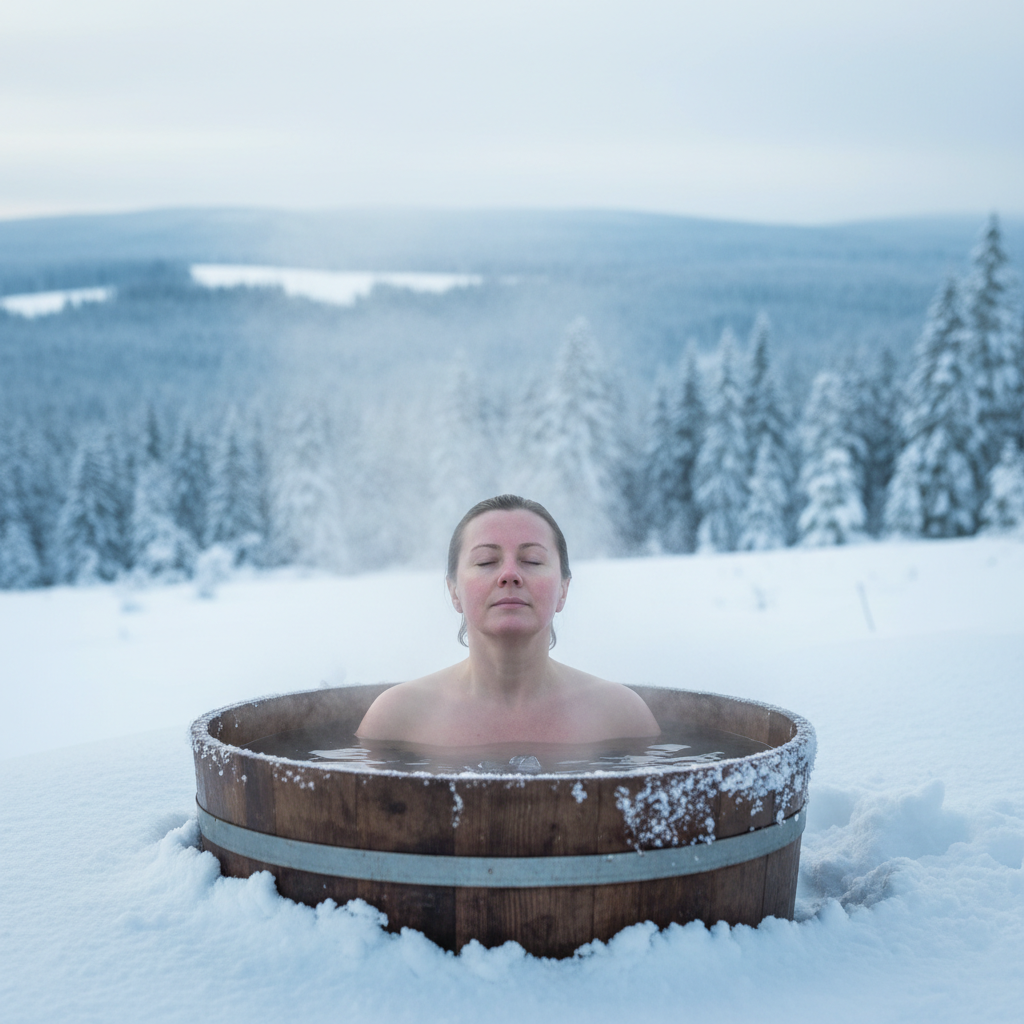
Ice-cold showers in the morning or a bath in icy water – what sounds like an extreme challenge to many, others swear by as a secret weapon for a strong immune system. In fact, cold therapy has been experiencing a real boom in recent years, not least thanks to prominent advocates like Wim Hof, the so-called “Iceman”. But what’s really behind it? Can cold water actually strengthen our defenses, or is it just another health trend without scientific basis? This article examines the medical background, explains the physiological mechanisms and provides practical tips for a safe introduction to the fascinating world of cold therapy.
The Science Behind Cold Therapy
When our body is suddenly exposed to cold, it triggers a cascade of complex physiological reactions. These adaptation mechanisms, which have developed over thousands of years of evolution, could actually have positive effects on our immune system.
Activation of the Sympathetic Nervous System
The first contact with cold water immediately activates the sympathetic nervous system – that part of our autonomic nervous system responsible for the “fight-or-flight response”. This activation leads to the release of stress hormones such as adrenaline and noradrenaline. While chronic stress is harmful, these brief, controlled stress stimuli act like training for our body. They improve stress tolerance and can stimulate the production of certain immune cells.
Effects on White Blood Cells
Several scientific studies have been able to demonstrate that regular cold exposure can lead to an increase in white blood cells. Smaller studies showed that subjects had temporarily elevated levels of lymphocytes and other immune cells after cold applications – both important components of our immune system. Researchers suspect that the cold stimulus encourages the body to produce more of these defense cells in order to be better prepared for potential threats.
Reduction of Inflammatory Markers
Chronic inflammation is considered a contributing factor to numerous lifestyle diseases. Interestingly, some studies suggest that regular cold bathing could reduce the concentration of inflammation-promoting cytokines in the blood. At the same time, the production of anti-inflammatory messengers increases. This anti-inflammatory effect could explain why many people report less susceptibility to infection and a generally better state of health after starting cold therapy.
Proven Health Benefits
The positive effects of cold therapy go beyond the immune system and encompass various areas of our health.
Improved Resistance to Infections
A remarkable Dutch study with over 3,000 participants showed that people who ended their daily shower with 30 to 90 seconds of cold water had 29 percent fewer illness-related absences than the control group. This indicates a significantly improved resistance to infections. Particularly interesting: the duration of cold exposure played no decisive role – even 30 seconds showed comparable effects to longer applications.
It’s important to mention that participants didn’t get sick less frequently, but felt more able to work despite cold symptoms.
Mood Enhancement and Mental Clarity
The cold shock leads to a massive release of endorphins and other “feel-good hormones”. Many users report a real “high feeling” after cold showering or bathing. Additionally, the production of noradrenaline is increased, a neurotransmitter important for attention and concentration. Some studies are currently even investigating the use of cold therapy as a complementary measure for depressive moods, although the data situation here is still preliminary.
Improved Circulation and Vascular Health
The cold initially causes blood vessels on the skin surface to constrict in order to protect core body temperature. After cold exposure, these vessels dilate strongly again – a process called vasodilation. This “vascular training” can improve the elasticity of blood vessels and promote circulation in the long term. However, people with circulatory disorders should definitely seek medical advice before starting.
Metabolic Support
Cold activates brown adipose tissue, a special form of body fat that converts energy into heat. This happens through a process called thermogenesis. Regular cold exposure can increase the amount of brown adipose tissue in the body and possibly slightly increase basal metabolic rate. However, the influence on body weight should not be overestimated. While this is not a miracle cure for weight loss, it can certainly have a supporting effect on metabolism.
The Right Start: How to Begin Safely
Jumping into ice-cold water is not for the unprepared. A gradual approach is crucial to avoid overexertion and give the body time to adapt.
The Method of Gradual Adaptation
Don’t start immediately with ice-cold immersion baths, but gradually accustom your body to the cold. Start with the classic “Scottish shower”: shower warm as usual and turn the water to cold for 20-30 seconds at the end. Breathe consciously and evenly, even if the first impulse tempts you to hyperventilate. After a few weeks, you can slowly increase the duration of cold phases and further reduce the water temperature.
Contrast Showers as a Gentle Introduction
A particularly effective method is contrast showers, in which you alternate between warm and cold several times. A proven rhythm is three times one minute warm and 30 seconds cold each, always ending with cold water. This trains the vascular system particularly intensively and is a more pleasant introduction for many people than the pure cold shower.
From Cold Showering to Ice Bathing
Once you’ve gotten used to cold showers and want to go further, ice bathing is the next step. Start in summer with natural waters whose temperature gradually decreases, or use a bathtub with gradually cooled water. The ideal water temperature for ice baths is between 10 and 15 degrees Celsius. Beginners should start with a maximum of 2-3 minutes. Even experienced cold enthusiasts should be careful and pay attention to their body’s signals – longer stays increase the risk of hypothermia.
Breathing as a Key Element
Controlled breathing is crucial for safe and effective cold therapy. The Wim Hof Method combines special breathing techniques with cold exposure and has attracted scientific attention. Even without this special technique, you should make sure to breathe consciously and deeply during cold contact. This activates the parasympathetic nervous system, calms the nervous system and helps to cope with the cold shock.
Important Safety Instructions and Contraindications
As promising as the benefits of cold therapy are – it’s not suitable for everyone and carries risks if applied incorrectly.
Who Should Avoid Cold Therapy?
People with certain pre-existing conditions should only practice cold therapy after consultation with their doctor or better not at all. This includes people with cardiovascular diseases, high blood pressure, Raynaud’s syndrome, cold urticaria or other circulatory disorders. Caution is also advised during pregnancy. During acute infections, you should also pause, as the additional cold stress could overwhelm the already stressed body.
Risk of Hypothermia
The biggest risk with ice baths is hypothermia. Symptoms such as uncontrollable shivering, confusion, dizziness or bluish discoloration of the skin are warning signals that you must take seriously. Leave the cold water immediately and warm up slowly. Never bathe alone in cold water – a companion can be lifesaving in an emergency.
The Cold Shock Reflex
When suddenly immersed in very cold water, a so-called cold shock reflex can occur: breathing accelerates involuntarily, blood pressure rises rapidly. This reflex is the reason why jumping into ice-cold water can be so dangerous. Therefore, always enter cold water slowly and gradually accustom your body to the temperature.
At the same time, contact with water activates the dive reflex, which is actually supposed to slow down breathing. These opposing reflexes can become dangerous and lead to shortness of breath, panic or cardiac arrhythmias.
Practical Tips for Everyday Life
To successfully integrate cold therapy into your daily routine, some proven strategies help.
The Best Time of Day
Many people prefer cold showers in the morning, as they have an energizing effect and get the circulation going. However, the release of stress hormones can disturb sleep, which is why evening applications are less recommended. Find the time that best fits your rhythm.
After Exercise
Cold water applications after training can accelerate recovery and reduce muscle soreness. However, there is evidence that too intensive cooling directly after strength training could impair muscle building processes. A brief cold rinse is fine, but you should perform extended ice baths with a time delay.
Regularity is Crucial
The positive effects on the immune system occur primarily with regular application. The Dutch study mentioned showed that just three cold-ended showers per week are enough to reduce susceptibility to infection. Ideally, make cold application a daily routine – like brushing your teeth.
It’s important to mention that participants didn’t get sick less frequently, but felt more able to work despite cold symptoms.
Conclusion: Cold Challenge with Warm Benefits
The scientific evidence for the immune-strengthening effect of cold therapy is impressive. Studies prove that regular cold showering or ice bathing can actually increase the number of white blood cells, reduce inflammatory markers and improve resistance to infections. In addition, the psyche, metabolism and vascular system benefit from the controlled cold stimuli.
Nevertheless, cold therapy is not a panacea and certainly not suitable for everyone. Starting requires patience, caution and ideally medical clarification in case of pre-existing conditions. However, those who are willing to overcome the initial resistance and proceed gradually can benefit from the diverse positive effects.
The good news: you don’t have to become an extreme athlete to use the benefits. Just 30 seconds of cold water at the end of your daily shower can make a measurable difference. Over time, you may find that what was initially unpleasant becomes an invigorating ritual that you no longer want to do without – a small daily act of self-conquest with great impact on your health.
Dare to take the first step and discover for yourself whether cold therapy can be your personal immune system boost. Your body will thank you – at least a refreshing experience is promised that will definitely wake you up.
Dieser Ratgeber dient ausschließlich zu Informationszwecken und ersetzt keine medizinische Beratung oder Diagnose. Bei anhaltenden Beschwerden konsultieren Sie bitte einen Arzt. Nahrungsergänzungsmittel und Heilpflanzen sollten nicht ohne Rücksprache mit einem Therapeuten eingenommen werden.