
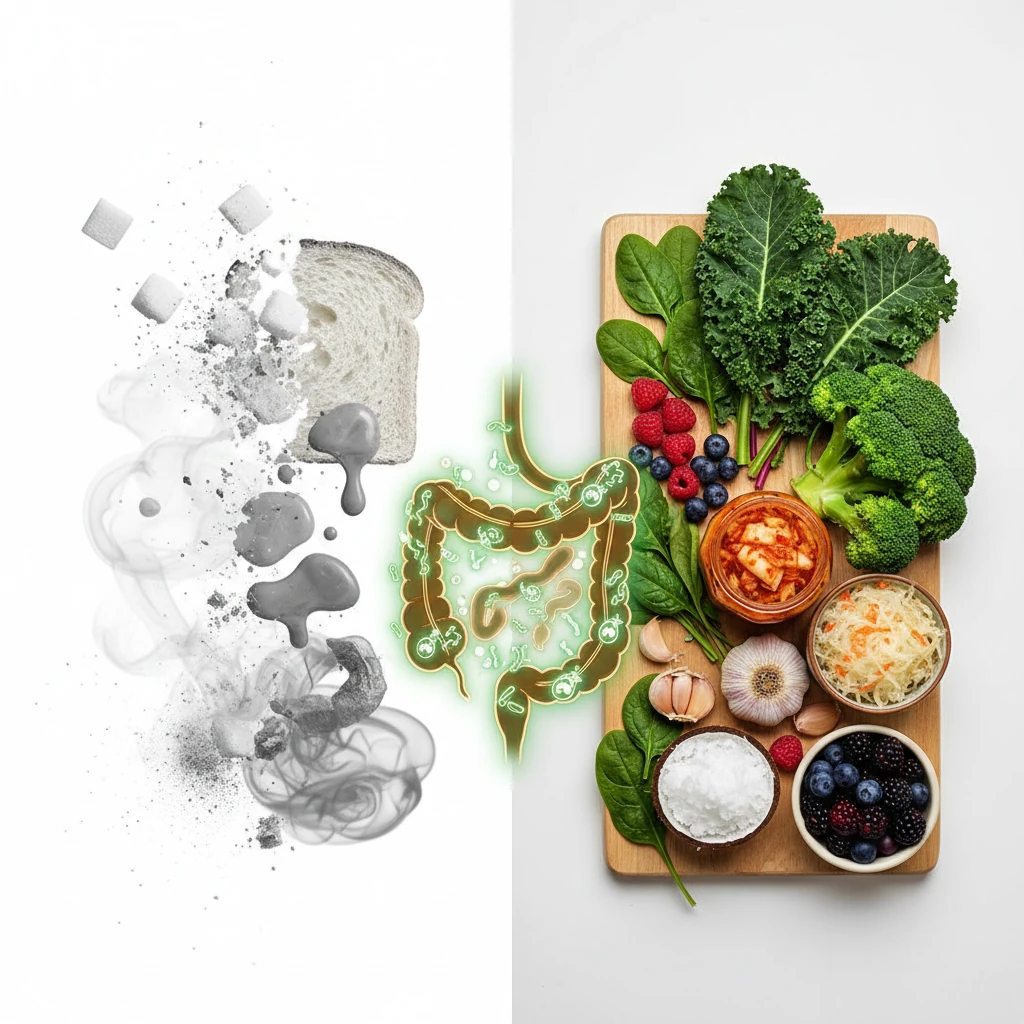
Many people suffer from recurring digestive problems, fatigue, or skin issues without knowing the actual cause. In some cases, an overgrowth of the yeast fungus Candida albicans in the gut may be behind it. A targeted Candida diet can help restore the natural balance of the gut flora and alleviate symptoms. In this article, you’ll learn how to combat the yeast fungus in the gut naturally through an adapted diet.
What is Candida and when does the fungus become a problem?
Candida albicans is a yeast fungus that naturally occurs in the gut, on the skin, and on the mucous membranes of most people. In a healthy body, the growth of Candida is controlled by the natural gut flora and the immune system. It only becomes problematic when the fungus multiplies excessively and the delicate balance of gut bacteria is disrupted.
This overgrowth, also referred to as Candida overgrowth or candidiasis, can trigger various symptoms. The most common symptoms include bloating, diarrhea or constipation, chronic fatigue, headaches, skin problems such as eczema, recurring fungal infections, and cravings for sweets. Concentration difficulties and mood swings can also occur.
Causes of Candida overgrowth
Several factors can lead to an excessive multiplication of Candida in the gut. The use of antibiotics is one of the most common triggers, as they kill not only harmful bacteria but also the beneficial gut bacteria. This creates space for Candida to spread unchecked.
A diet high in sugar and carbohydrates also significantly promotes fungal growth, as Candida preferentially feeds on simple sugars. Chronic stress weakens the immune system and impairs gut health. Other risk factors include a weakened immune system, taking cortisone or birth control pills, and excessive alcohol consumption.
Basic principles of the Candida diet
The Candida diet is based on the principle of depriving the yeast fungus of its nutritional foundation while simultaneously strengthening the immune system and healthy gut flora. The central goal is to keep blood sugar levels stable and avoid foods that promote fungal growth.
The diet is typically divided into several phases: a strict initial phase of about four to six weeks, during which foods that promote fungus are consistently avoided, followed by a gradual reintroduction of certain foods. At the same time, probiotic foods and supplements are used to rebuild the gut flora.
Foods you should avoid
During the Candida diet, it’s important to consistently avoid certain food groups to deprive the fungus of its nutritional foundation.
Sugar and sugary products
Sugar is the main food source for Candida. Therefore, avoid all types of sugar such as white sugar, brown sugar, honey, maple syrup, agave nectar, and artificial sweeteners. Hidden sugars in ready-made products, sauces, dressings, and processed foods should also be avoided. Even fructose can promote fungal growth, which is why most types of fruit should also be avoided in the initial phase.
Refined carbohydrates and grain products
White flour products such as white bread, pasta made from refined flour, and white rice are quickly broken down into sugar in the body and should be avoided. Gluten-containing grains can also promote inflammation in some people and are therefore often excluded in the initial phase.
Alcohol and fermented products
Alcohol stresses the liver, weakens the immune system, and often contains sugar. Vinegar, soy sauce, and other fermented products should also be avoided initially, as they contain yeasts or may promote fungal growth. An exception is apple cider vinegar, which is allowed in small amounts in some approaches.
Dairy products
Cow’s milk contains lactose, a milk sugar that can nourish Candida. Many types of cheese should also be avoided. Exceptions may be high-quality fermented products such as plain yogurt or kefir, which contain probiotic bacteria.
Recommended foods on the Candida diet
The Candida diet is by no means a purely restrictive diet. There are numerous nutrient-rich foods that you should integrate into your meal plan.
Non-starchy vegetables
Vegetable varieties such as broccoli, cauliflower, spinach, kale, zucchini, cucumbers, celery, peppers, and asparagus form the basis of the Candida diet. They provide important nutrients, fiber, and antioxidants without significantly affecting blood sugar levels. Leafy greens and cruciferous vegetables also support detoxification processes in the body.
High-quality protein sources
Protein-rich foods stabilize blood sugar and promote satiety. Recommended are organic eggs, wild-caught fish, seafood, as well as poultry and lean meat from species-appropriate farming. Plant-based protein sources such as hemp seeds, chia seeds, and legumes in limited amounts can also be included.
Healthy fats
Coconut oil has special antifungal properties due to the caprylic acid it contains and should be used regularly. Olive oil, avocados, nuts, and seeds (especially almonds, walnuts, and flaxseeds) also provide valuable fatty acids and support health.
Herbs and spices with antifungal properties
Garlic, ginger, turmeric, oregano, thyme, rosemary, and cinnamon have natural antifungal properties and should be used generously in cooking. They not only help fight Candida but also have anti-inflammatory effects and strengthen the immune system.
Gluten-free grains and pseudocereals
In moderate amounts, quinoa, buckwheat, millet, and amaranth can be consumed. These provide complex carbohydrates and important minerals without affecting blood sugar too much.
Probiotics: Essential for success
A central component of Candida treatment is rebuilding a healthy gut flora through probiotics. These beneficial bacteria displace Candida, strengthen the gut barrier, and support the immune system.
Fermented foods such as unsweetened plain yogurt, kefir, sauerkraut, kimchi, and kombucha (after the initial phase) are valuable sources of probiotic bacteria. Additionally, taking a high-quality probiotic with various bacterial strains can be beneficial, particularly with Lactobacillus acidophilus and Bifidobacterium bifidum.
The dosage should be sufficiently high – at least 10 billion colony-forming units (CFU) per day. Start with a lower dose and increase it gradually to minimize possible initial worsening due to fungal die-off.
Natural antifungal agents for support
In addition to dietary changes, various natural substances can help fight Candida. Caprylic acid, a medium-chain fatty acid from coconut oil, penetrates the cell membrane of Candida and can effectively combat the fungus.
Oregano oil contains carvacrol and thymol, two powerful antifungal compounds. Garlic extract with the active ingredient allicin also shows strong antifungal properties. Grapefruit seed extract and berberine from barberry are other natural options with antifungal effects.
However, these remedies should not be taken without consulting a therapist, as they can have side effects if used incorrectly. It’s also important to take them at different times from probiotics so that they are not also affected.
The importance of detoxification
When Candida fungi die off, they release toxins that can lead to temporary symptoms such as headaches, fatigue, flu-like symptoms, or skin rashes. This phenomenon is referred to as the “die-off reaction” or Herxheimer reaction.
To minimize this reaction and support the elimination of toxins, drinking sufficient pure water is particularly important – at least two to three liters daily. Herbal teas such as nettle, dandelion, or milk thistle tea also support the liver in detoxification.
Exercise, sauna sessions, and dry skin brushing promote elimination through sweat and the lymphatic system. High-fiber foods and, if necessary, psyllium husks support elimination through the intestines.
Lifestyle factors for treatment success
While diet is central, other factors significantly influence the success of Candida treatment. Chronic stress weakens the immune system and promotes inflammation. Therefore, integrate stress management techniques such as meditation, yoga, breathing exercises, or walks in nature into your daily routine.
Sufficient and restorative sleep is essential for a strong immune system. Aim for seven to nine hours of sleep per night and establish a regular bedtime. Regular exercise not only strengthens the immune system but also promotes digestion and reduces stress.
Duration and gradual reintroduction of foods
The strict phase of the Candida diet should last at least four to six weeks, but depending on the severity of the overgrowth, it may be necessary for three months or longer. Pay attention to your symptoms as guidance.
After the initial phase, you can gradually reintroduce foods. Start with low-sugar fruits such as berries, followed by gluten-free whole grain products and later possibly gluten-containing grains. Introduce only one new food every three to four days and observe your reaction.
If symptoms return, remove the corresponding food from your meal plan again. Sugar and refined carbohydrates should also be consumed only in very limited amounts in the long term to avoid relapse.
When should you see a doctor?
Although the Candida diet is helpful for many people, you should seek medical advice if symptoms persist or are severe. Professional diagnostics can clarify whether there is actually a Candida overgrowth or whether other diseases are causing the symptoms.
Medical treatment is particularly essential if there is suspicion of systemic Candida infections that go beyond the gut. People with weakened immune systems, diabetes, or chronic illnesses should also carry out treatment under medical supervision.
Conclusion: Holistic approach for sustainable results
The Candida diet is an effective natural approach to combat an overgrowth of the yeast fungus in the gut and restore gut health. By consistently avoiding foods high in sugar and carbohydrates, the fungus is deprived of its nutritional foundation, while probiotic foods and natural antifungal agents rebuild the healthy gut flora.
However, the success of the treatment does not depend on diet alone. A holistic approach that includes stress management, sufficient sleep, regular exercise, and targeted detoxification measures is crucial for sustainable results. Patience and consistency are important companions in this process, as restoring gut balance takes time.
With the right strategy and a conscious lifestyle, you can not only get Candida overgrowth under control but also sustainably improve your overall health, vitality, and quality of life. The investment in your gut health is an investment in your entire well-being.
Dieser Ratgeber dient ausschließlich zu Informationszwecken und ersetzt keine medizinische Beratung oder Diagnose. Bei anhaltenden Beschwerden konsultieren Sie bitte einen Arzt. Nahrungsergänzungsmittel und Heilpflanzen sollten nicht ohne Rücksprache mit einem Therapeuten eingenommen werden.